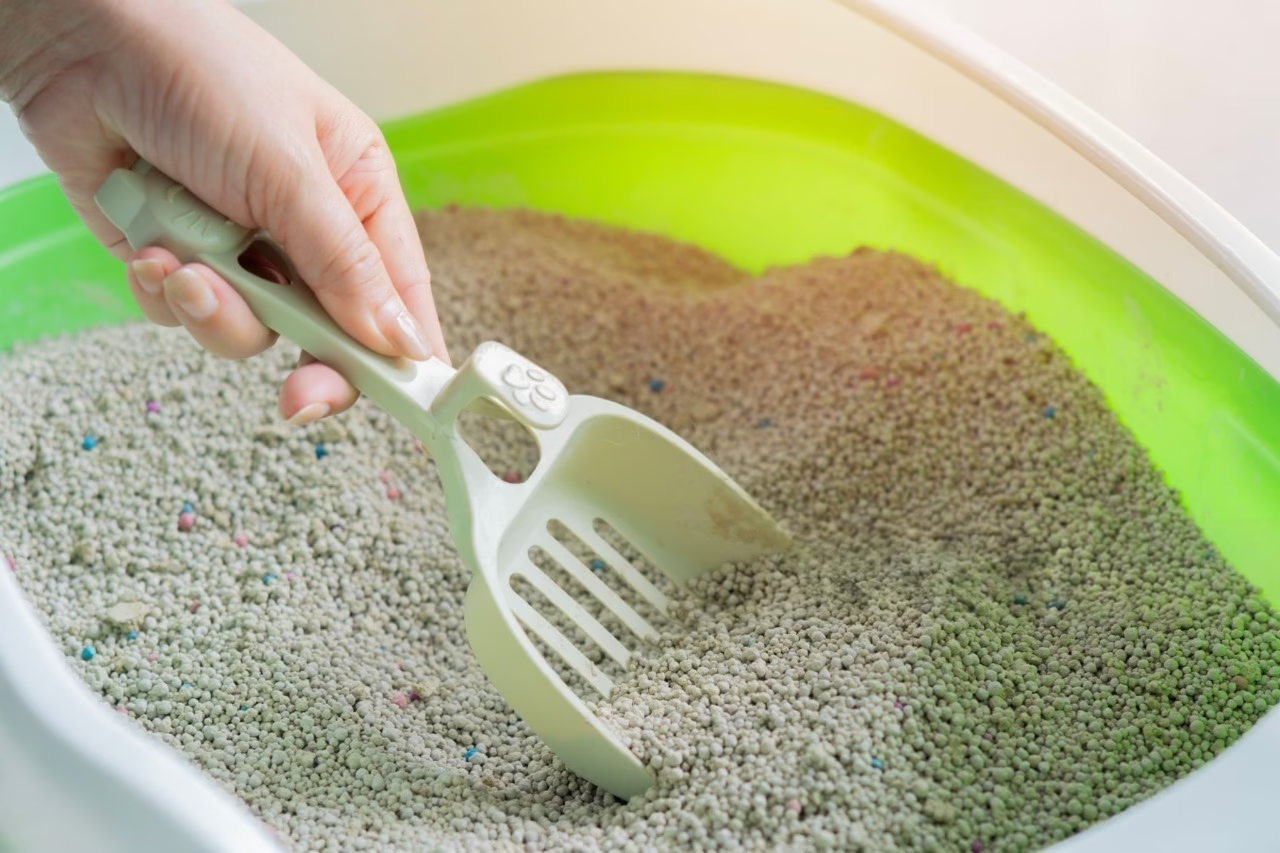
Quick answer: for most clumping cat litter, scoop waste every day and make a full change about every 1 to 2 weeks. The real answer to how often to change cat litter depends on the litter type, cat count, box depth, humidity, odor, and how well the formula locks moisture.
LINGSHUAI looks at this question from two sides: the daily cleaning routine in the litter box and the material performance of the litter itself. A cleaner routine is easier when the litter absorbs quickly, forms firm clumps, produces low dust, and leaves less wet residue in the tray.
Use the calendar as a starting point, then check the box condition. If damp smell returns after scooping, if clumps break into small wet pieces, or if litter sticks to the tray bottom, the box needs a full change sooner.
Daily scooping vs full changes
Daily scooping removes wet clumps and solids before odor spreads through clean litter. A full change removes the remaining old litter, washes the tray, and resets the box before hidden dampness becomes the normal smell of the room.
- Scoop daily: remove urine clumps and solids once a day, or twice when the same box is used heavily.
- Top up carefully: add fresh litter after scooping only when the remaining litter still feels dry and clean.
- Full change: empty the box when the remaining litter smells damp, feels sticky, or becomes too shallow to cover waste.
Adding new litter on top of old wet litter can make the surface look better for a short time, but it does not remove damp residue from the bottom layer. If the lower litter is already stale, odor will return as soon as the box is used again.
| Routine | Usual timing | What to watch |
|---|---|---|
| Remove wet clumps and solids | Every day | Broken pieces, sticky spots, or missed corners |
| Top up clean litter | After scooping when depth drops | The box should still smell clean before topping up |
| Full litter replacement | Often 1-2 weeks for many single-cat clumping boxes | Shorten the cycle if odor or dampness returns early |
| Wash and dry the tray | At each full change | A dry tray helps the new litter start clean |
A simple schedule by litter type
Different litter types hold moisture in different ways, so the full-change schedule should not be the same for every box. The table below gives a practical starting point. The final timing should follow the real box condition.
| Litter type | Scooping routine | Full change starting point |
|---|---|---|
| Clumping bentonite cat litter | Scoop daily and keep enough depth for firm clumps | About every 1-2 weeks for many single-cat boxes |
| Multi-cat clumping boxes | Scoop daily or twice daily | Often 5-10 days if moisture load is high |
| Non-clumping clay litter | Remove solids daily | Usually more often, because urine remains in the tray |
| Silica or crystal litter | Remove solids and follow the product instructions | Often longer, but replace when smell or saturation appears |
| Plant-based litter | Scoop or stir according to the material | Varies by material, humidity, and odor return |
If you are still choosing a litter type, the guide on common cat litter types and their use differences can help compare clumping, dust, tracking, odor control, and cleaning habits.
What changes how often cat litter should be changed?
The same bag can behave differently in two homes. Cat count, box size, litter depth, room humidity, diet, and cleaning habit all change how often cat litter should be changed.
- More cats: more urine means the litter reaches its limit faster.
- Too little litter depth: shallow litter lets urine reach the tray bottom and causes sticking.
- Humid rooms: damp air can make odor return sooner.
- Weak clumps: broken fragments stay in the clean litter and make the box smell old.
- High dust: dust can carry stale odor and make the box feel dirty even after scooping.
- Ventilation and tray location: a cramped or damp corner usually needs closer checking.
The ASPCA litter box guidance connects litter box problems with box setup, cleanliness, and cat comfort. The routine is not only about dates; it is also about whether the cat trusts the box.
Signs the box is ready for a full change
LINGSHUAI recommends judging the tray by smell, clump condition, dust build-up, and bottom residue, not by days alone. A box that still looks acceptable on the surface may already need a complete reset.
| What you notice | What it usually means | What to do |
|---|---|---|
| Damp smell after scooping | Old wet fragments remain in the tray | Full change and wash the box |
| Clumps break apart | The formula is weak or the box is too shallow | Check litter depth and clump strength |
| Sticky tray bottom | Urine reached the box floor before clumping | Empty, wash, dry, then refill deeper |
| Dust cloud during digging | Fine powder has built up or the litter is dusty | Change the litter and consider a lower-dust formula |
| Cat avoids the box | Smell, texture, location, or health may be involved | Clean the box and watch for health signs |
The Texas A&M guide to litter box etiquette also points to box cleanliness and placement as part of keeping cats comfortable with the tray.
What LINGSHUAI checks in bentonite litter
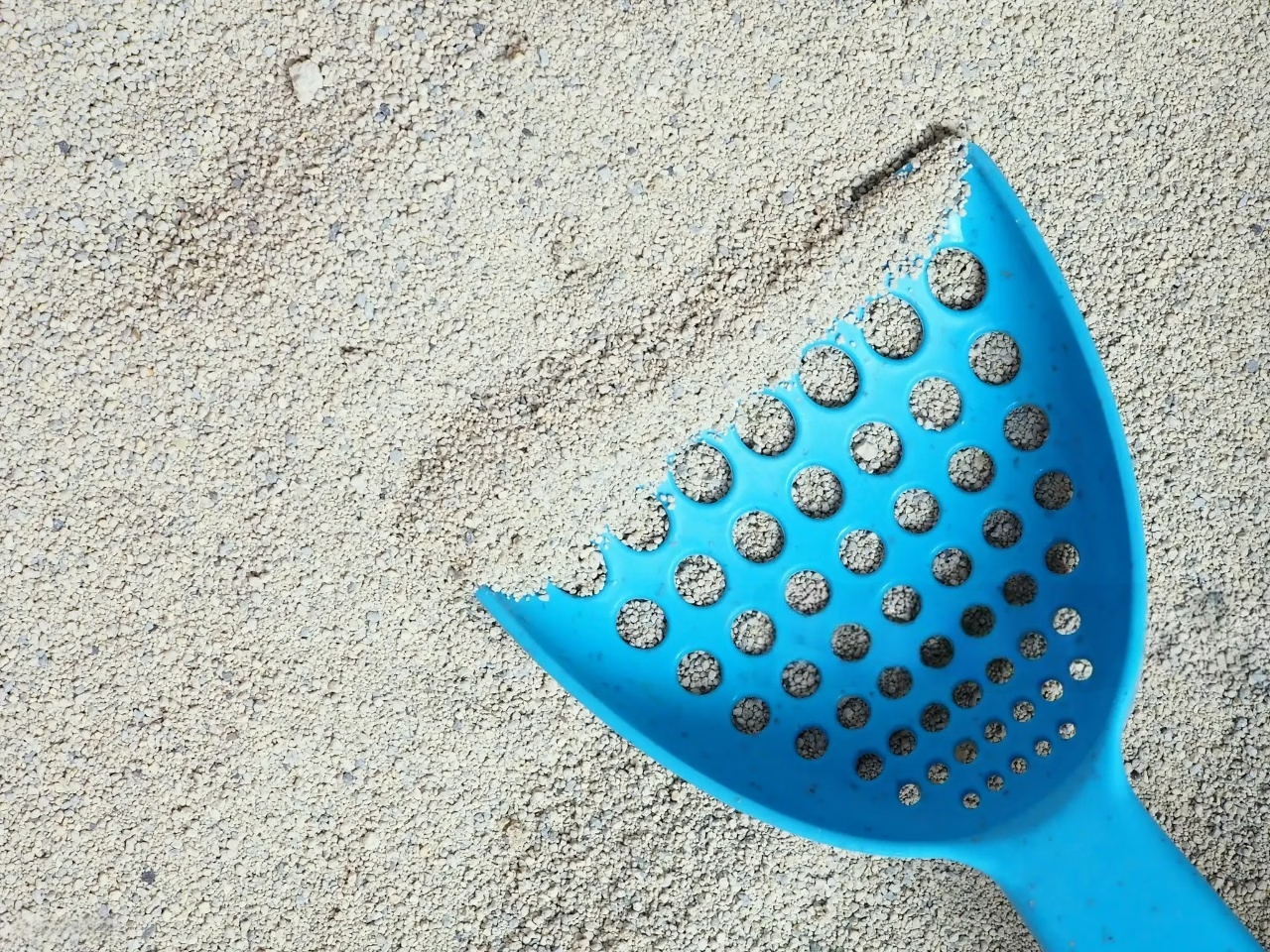
From the factory side, a good changing schedule starts before the litter is packed. LINGSHUAI checks whether bentonite absorbs quickly, whether clumps stay firm, and whether dust stays low after screening and handling.
That matters because strong clumping lets you remove dirty litter without throwing away too much clean litter. Low dust keeps the tray cleaner between full changes. Odor-control materials such as activated carbon or zeolite can help, but they cannot replace a weak base litter.
For product examples, compare fine granule low-dust bentonite cat litter, activated carbon cat litter, and the wider bentonite cat litter product center.
How to clean the litter box itself
When you make a full change, empty all litter, wash the tray with a mild cleaner, rinse well, and let it dry before refilling. Strong cleaner smell can bother some cats, so the tray should smell clean, not perfumed.
- Empty the litter completely.
- Wash corners and the bottom where sticky spots form.
- Rinse and dry the tray fully.
- Refill with enough depth for urine to form a stable clump before reaching the bottom.
- Return to daily scooping and adjust the full-change date by odor, dust, and clump quality.
If odor is the main problem, the article on how cat litter odor control works explains the difference between moisture locking, carbon, zeolite, and fragrance.
Send the granule size, scent level, and odor-control direction you want to compare. LINGSHUAI can check clump strength, dust level, and moisture locking with real sample tests.
Ask for sample comparisonFAQ
How often should you completely change cat litter?
For many single-cat boxes using clumping cat litter, a complete change is often needed about every 1 to 2 weeks. Change it sooner if clumps break, the tray smells damp after scooping, or the litter depth becomes too shallow.
How often should you scoop cat litter?
Scoop waste at least once a day. If more than one cat uses the same box, scooping twice a day can help keep wet clumps and odor from building up.
Can I add new litter on top of old litter?
You can top up clean litter after daily scooping when the box is still dry and odor is controlled. If the bottom layer feels sticky, dusty, or sour-smelling, topping up will not fix the problem; the tray needs a full change and wash.
Why does the litter box smell even after scooping?
Smell can return when wet fragments stay behind, clumps are too soft, litter depth is too low, or dust carries odor around the tray. The cleaning routine matters, but clump strength and fast moisture locking also matter.
Does clumping litter need changing less often?
Good clumping litter can reduce waste because wet litter is removed as a firm clump. It still needs complete replacement when the remaining litter no longer feels dry, clean, and low-odor.
How many litter boxes should a home have?
A common rule is one box per cat plus one extra box. Extra boxes reduce moisture load in each tray and usually make the cleaning schedule easier to manage.