Short answer: there is no single best type of cat litter for every cat. Start with a low-dust texture the cat will actually use, then compare clumping, odor control, tracking, cleaning routine, and price per use. For many adult cats, low-dust clumping bentonite is the practical starting point; kittens, senior cats, or sensitive cats may need a softer or simpler option.
If I were the cat in the meeting, I would not start with the label on the bag. I would start with paw feel, smell, and whether the box still feels clean after one visit. The human side still matters too: easy scooping, less dust around the home, and a formula that keeps its performance after storage and transport.
Quick checklist before choosing a litter type
- Start with cat acceptance: texture, digging feel, and whether the cat returns to the box.
- Choose the material by use case: clumping bentonite, tofu, wood, paper, silica, plant fiber, or mixed formulas.
- Check clumping: firm clumps reduce wet litter left in the box.
- Choose low dust, especially for indoor homes and premium positioning.
- Separate odor control from perfume. Carbon, zeolite, and moisture control are not fragrance.
- Compare tracking and granule size: fine litter covers well, larger granules may track less.
- For brands, importers, and distributors, confirm samples and packaging before container production.
1. Types of cat litter and the pros and cons
Most search results compare the material first because the material decides the cleaning style, texture, weight, odor behavior, and price range. The table below keeps the choice practical instead of pretending one litter can be perfect for every cat.
| Type of cat litter | Good points | Limits to check | Best fit |
|---|---|---|---|
| Clumping bentonite clay | Fast clumps, daily scooping, familiar sand-like texture, strong supply chain for retail and wholesale | Dust level, clump hardness, moisture, granule size, bottom sticking | Most adult cats, private label lines, and export programs that need stable cleaning performance |
| Non-clumping clay | Simple mineral option and often lower starting cost | Wet litter stays in the box longer, so full-box changes are more frequent | Price-focused use where daily full replacement or frequent refresh is acceptable |
| Tofu or plant fiber | Lightweight, plant-based positioning, soft texture | Moisture sensitivity, storage odor, local disposal rules, and clump strength | Markets that prefer plant-based litter and lighter retail bags |
| Wood or paper pellets | Lower tracking, softer alternative positioning, lighter handling | Some cats dislike pellet texture; odor and full-box change frequency need checking | Cats that accept pellets and homes that want less fine granule scatter |
| Silica crystal litter | Lightweight absorption and longer change-interval positioning | Crystal texture, non-clumping behavior, dust, and price acceptance | Households that prefer absorption-style systems instead of daily clump scooping |
| Corn, wheat, walnut, or other plant litter | Natural-positioning options with different weights and textures | Food-material odor, moisture, insects, local storage, and cat acceptance | Niche retail channels where plant-based claims matter |
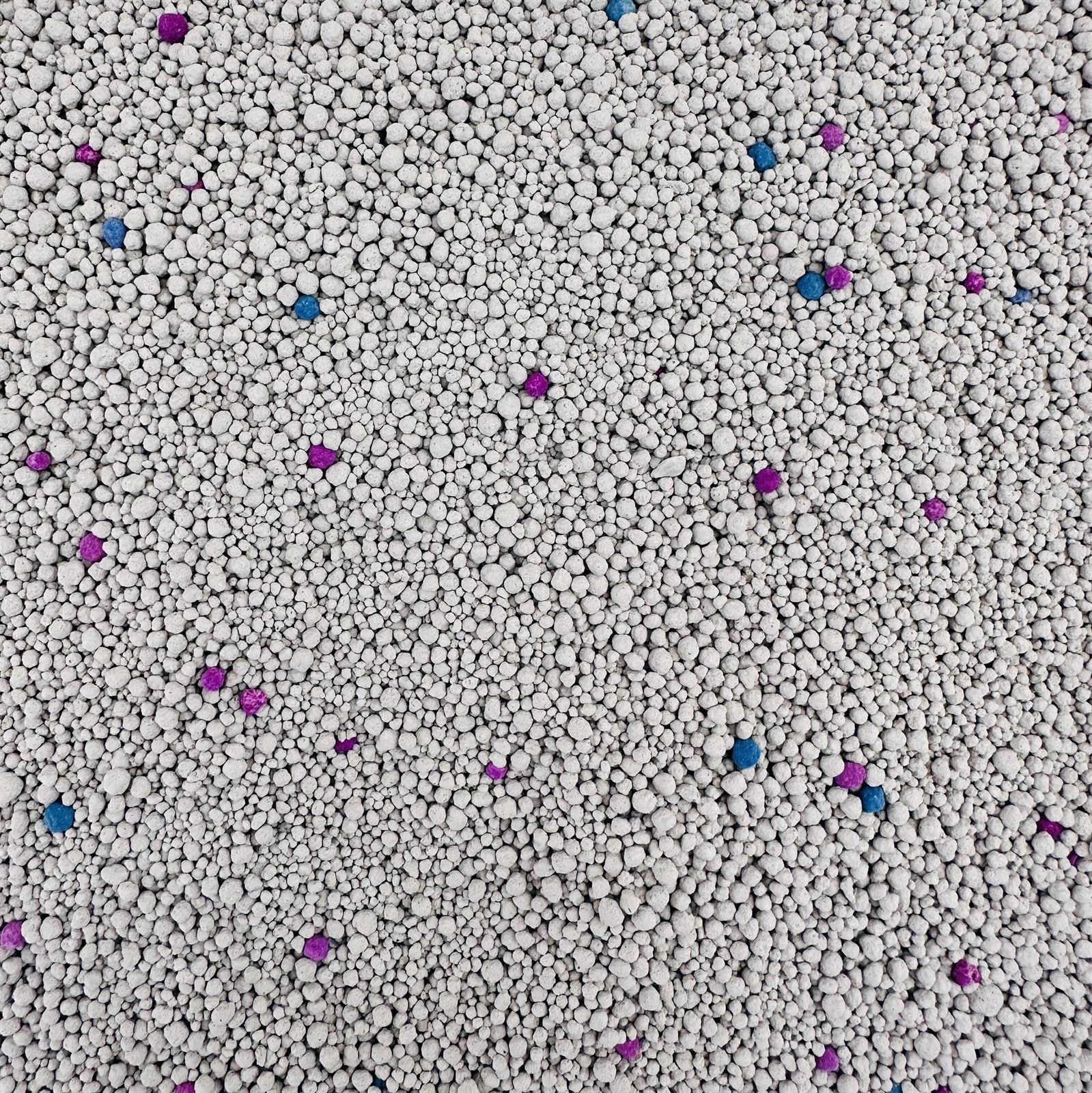
| Mixed bentonite formulas | Clumping bentonite base with carbon, zeolite, SAP, crystal particles, or other odorless additives for product difference | Additive ratio, visual consistency, scent decision, and product naming accuracy | Brands that want a clear formula difference while keeping bentonite clumping performance |
2. Start with what the cat will actually use
The best cat litter for cats is the one they accept consistently. Many cats prefer a soft, diggable texture that feels closer to soil or sand. A litter can have strong claims on the bag, but if the texture is too sharp, too heavily perfumed, too dusty, or too wet after use, the cat may avoid the box.
For a new litter, change gradually. Put the new litter beside the old one or mix it in slowly, then watch whether the cat digs, covers, and returns without hesitation. For factory sample work, real-use feedback is more useful than a clean granule photo alone.
3. How to choose a litter type by use case
- Daily scooping: choose a firm clumping litter, usually bentonite or a plant-based clumping formula.
- Low dust homes: compare pouring and scooping tests, not only the words on the package.
- Odor-focused use: start with absorption and clumping, then compare carbon, zeolite, or other odorless additives.
- Low tracking: test granule size, weight, and clump breakage together.
- Kittens or senior cats: choose a softer, low-dust, simple-scent option and introduce it gently.
- Retail or private label supply: confirm sample performance, bag type, pallet plan, and container loading before production.
4. Clumping or non-clumping?
Clumping litter is usually easier for daily cleaning because urine forms removable clumps. This reduces wet material left in the box and helps the remaining litter stay dry. Non-clumping litter may work for pellet, paper, wood, or crystal systems, but it usually needs more frequent full-box changes when odor builds up.
5. Low dust matters more than a perfect claim
When people search for cat litter without dust, they usually want less mess and cleaner air around the litter box. No mineral litter should be sold as magically dustless without a realistic test. A better buying question is: how much dust appears when pouring, scooping, and transporting the bag?
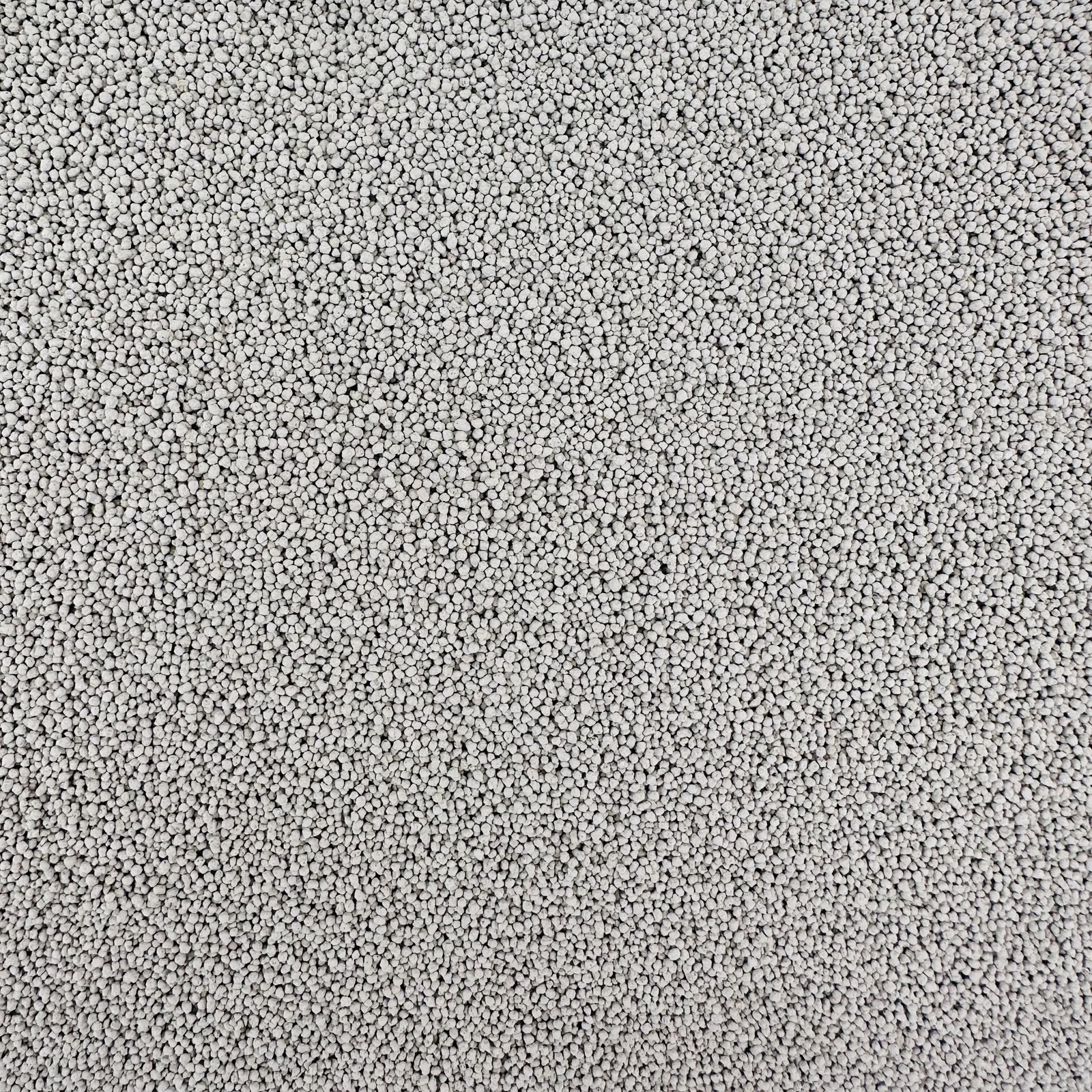
For bentonite litter, dust is affected by mineral quality, crushing, screening, drying, transportation, and bag handling. For a premium formula, ask for a pouring test and a sample from the same production direction that will be used for the order.
6. Odor control is not the same as strong fragrance
Strong perfume can make a product smell impressive in the bag, but it does not replace absorption, firm clumping, moisture control, or regular scooping. Many markets prefer unscented or low-scent litter, especially for sensitive-cat or premium positioning.
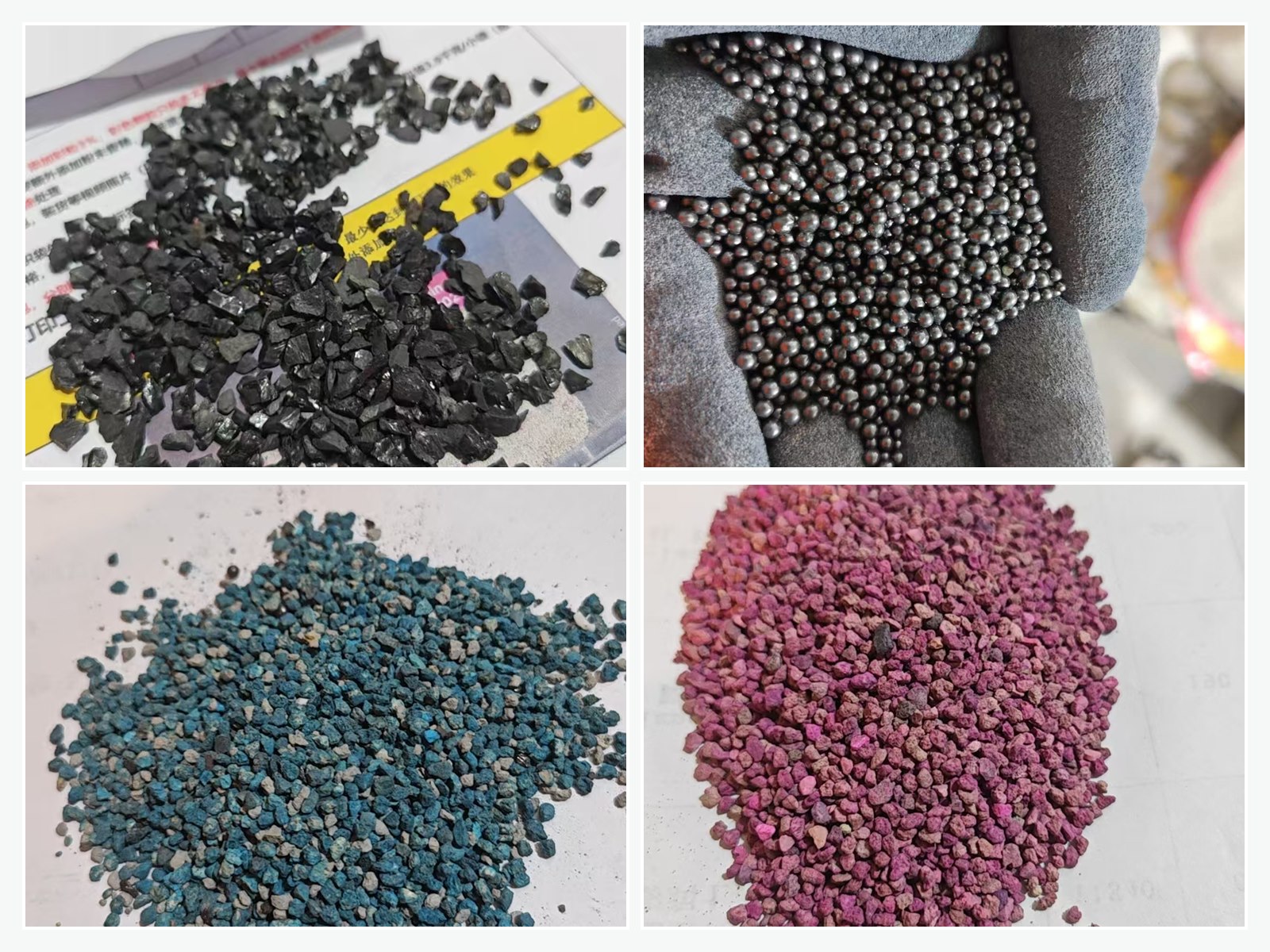
For odor-control cat litter, compare the base litter first. Then choose whether the formula needs activated carbon, crushed carbon, carbon balls, zeolite, or another odorless mixed additive. Fragrance can be added separately when the target market expects lavender, baby powder, lemon, green tea, coffee, or another scent.
7. Tracking depends on granule size, weight, and clump breakage
Low tracking cat litter is not only about large granules. Very large pellets may reduce tracking, but some cats dislike the texture. Fine granules can feel better under the paw, but they need good dust control and stable clumps. Broken clumps can also increase mess because small wet particles spread around the box.
For retail formulas, choose the granule size by the local cleaning habit and cat preference. For bulk or wholesale programs, compare fine granule, round granule, and mixed formulas with the same cleaning test.
8. What poor-quality cat litter looks like
A litter type can sound right and still perform badly. The common problems are easy to see during sample testing, and the cat usually notices them faster than the person reading the label.
| Problem | What happens in use | What to test |
|---|---|---|
| Heavy dust | Dust rises when pouring or scooping, settles near the box, and may reduce acceptance in sensitive homes | Pouring test, bag-bottom dust, and dust after transport |
| Weak clumps | Clumps break apart during scooping and leave wet particles in the litter box | Clump speed, clump hardness, and scoop breakage |
| Bottom sticking | Wet litter sticks to the tray, making cleaning slower and leaving odor behind | Same-depth tray test with fixed water volume |
| Strong perfume over weak absorption | The bag smells strong, but ammonia odor returns quickly after use | Odor after clumping, odor after storage, and scent acceptance |
| Unstable granule mix | Fine powder and large particles separate, so different bags feel inconsistent | Granule distribution from several sample bags |
9. For kittens, senior cats, and sensitive households
For kittens, senior cats, or sensitive households, keep claims careful. Choose a soft texture, low dust, simple scent direction, and easy cleaning. Avoid strong fragrance or sharp particles that may reduce litter box acceptance. If a cat has a respiratory or medical condition, the household should follow veterinary advice rather than relying on a product page.
10. How to switch cat litter without losing box acceptance
Most cats prefer routine. If the new litter smells very different or feels different under the paw, change slowly. Add a small amount of the new litter to the old box, increase the ratio over several days, and keep the box clean during the transition. If the cat stops using the box, go back one step instead of forcing the change.
11. Brands and importers should choose by sample, not by catalog text
For a retail brand, distributor, or importer, choosing cat litter is also a factory-supply decision. The final formula must survive storage, sea freight, warehouse handling, and retail display. Before a volume order, test a sample and confirm the production details behind it.
| Factory check | Why it matters | Where to review |
|---|---|---|
| Granule size and feel | Controls cat acceptance, tracking, and product positioning | Product center |
| Dust and clumping tests | Shows real performance before printing bags | Wholesale clumping cat litter |
| Odor-control direction | Carbon, zeolite, scent, or unscented formulas target different markets | Odor-control guide |
| Packaging and loading | Bag weight, carton, pallet, and container plan affect landed cost | Bulk bentonite cat litter |
Formula examples for choosing cat litter
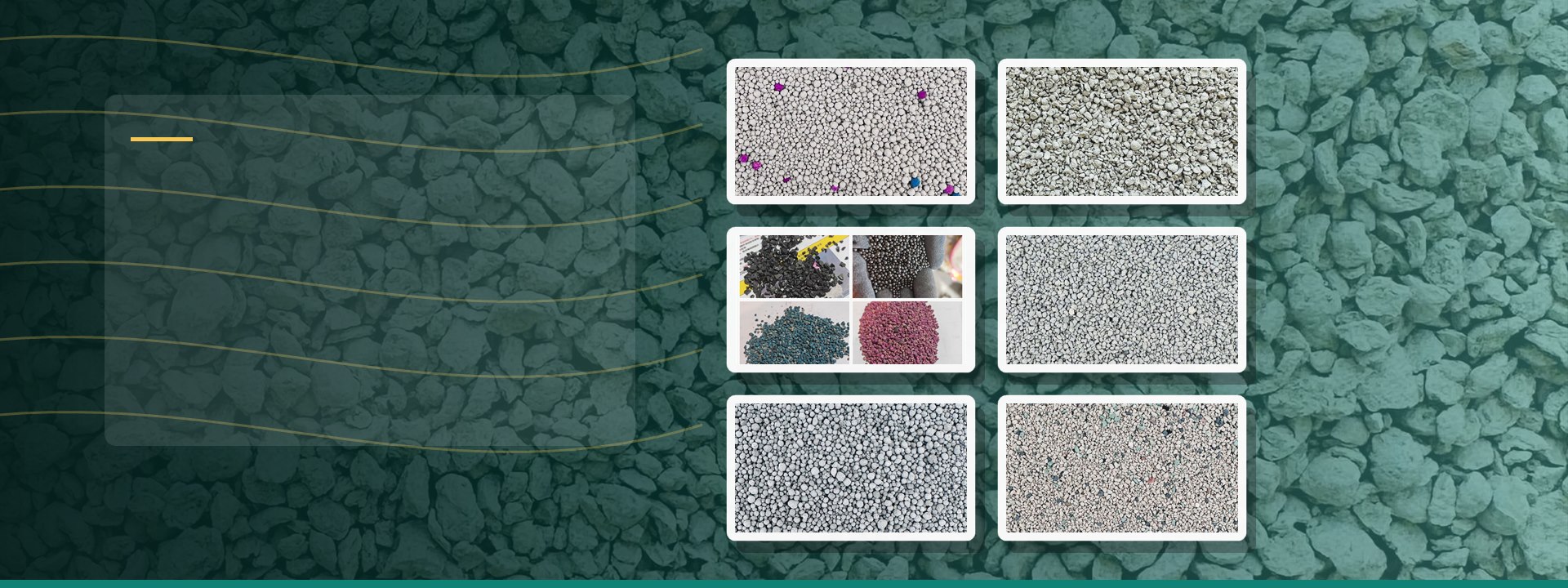
These local product images show how texture, additive direction, packaging, and supply route change the final choice. They are better for this article than generic stock images because the actual granule surface and factory context are visible.
Low-Dust Round Bentonite 1-3.5mm
A cost-effective formula direction for markets that need familiar round granules, clear clumping, and stable daily cleaning.
Fine Granule Bentonite 0.5-1.44mm
A finer texture for stronger coverage, softer paw feel, and a more premium cleaning experience.
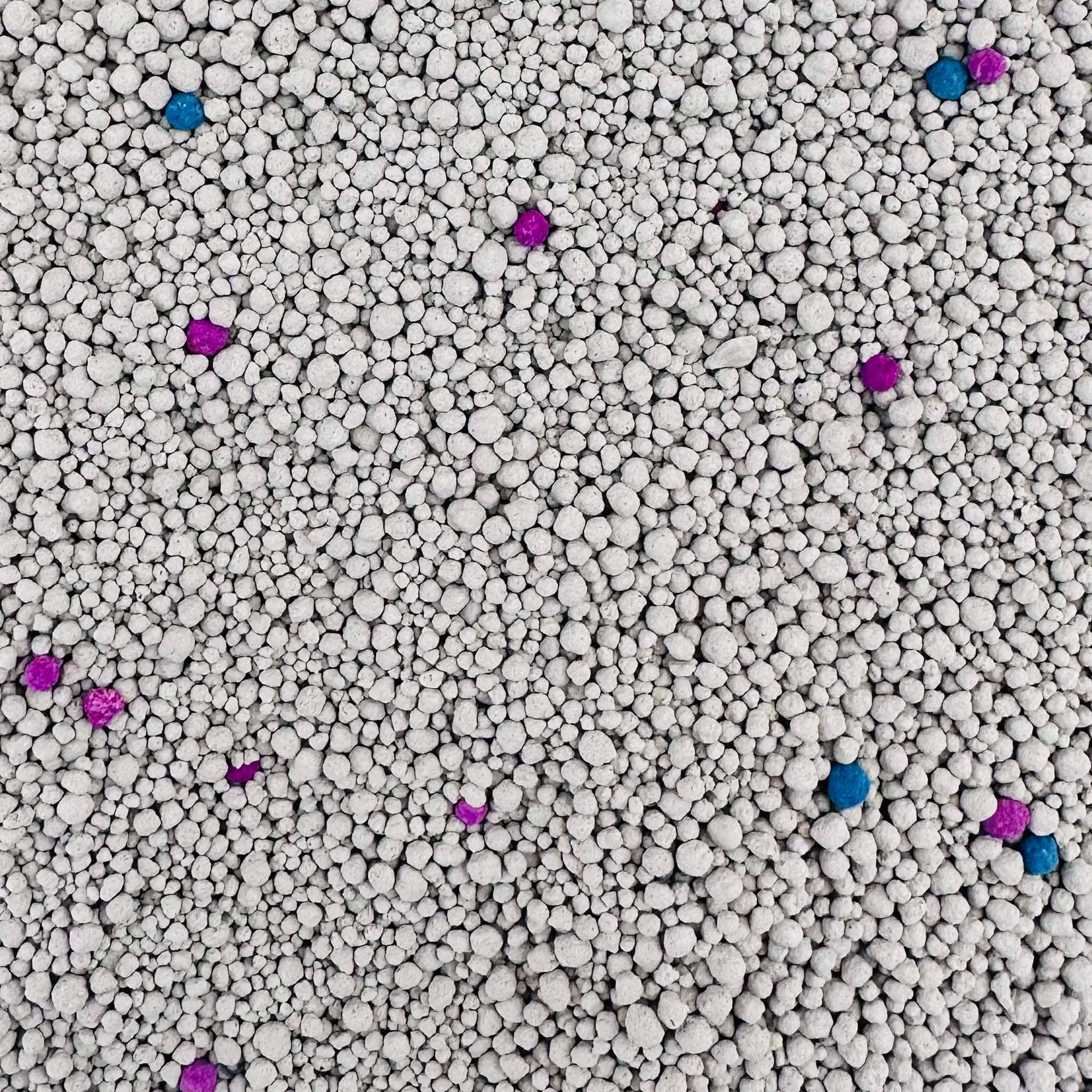
Wholesale Clumping Cat Litter
A route for importers and distributors who need sample checks, bag options, batch review, and export loading support.
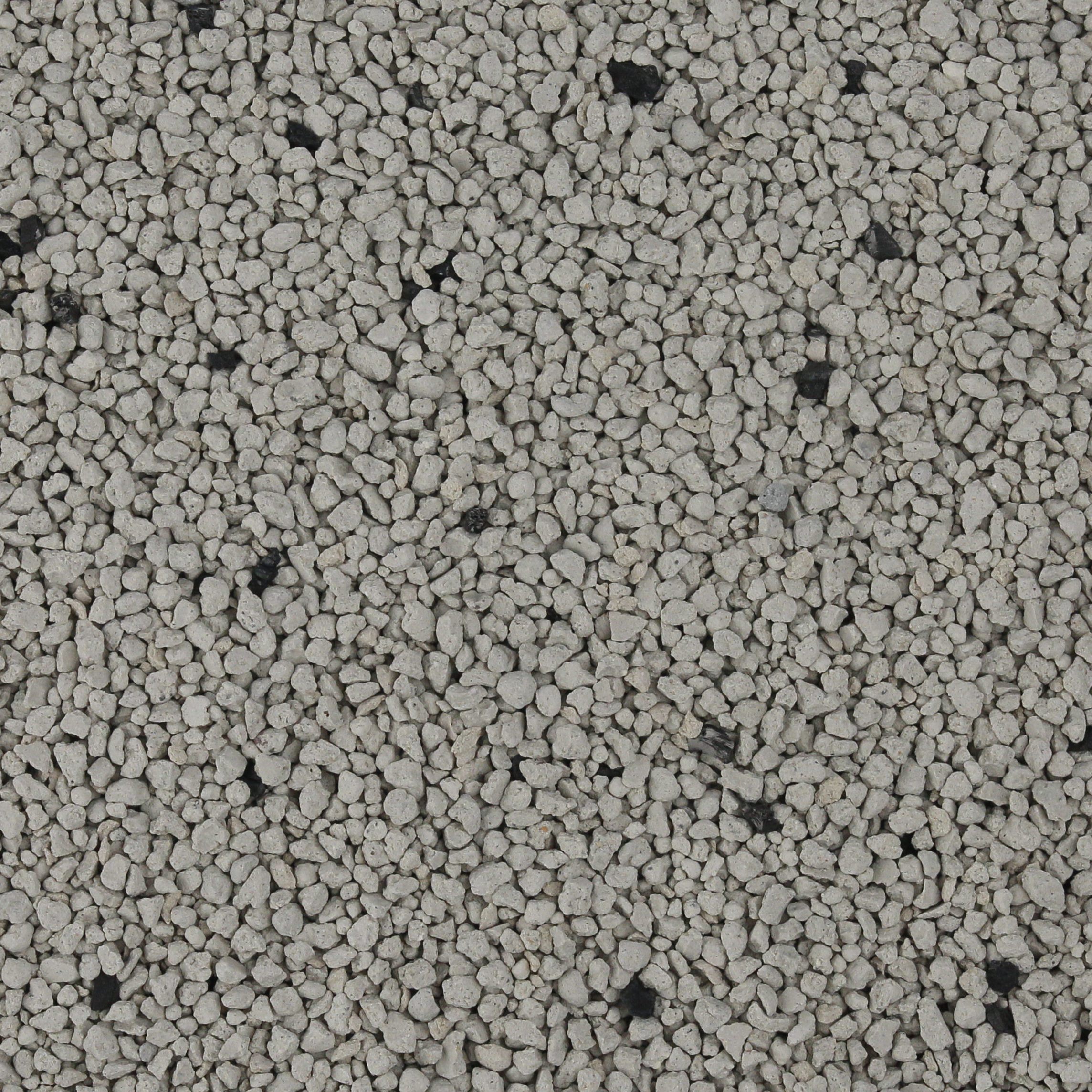
Activated Carbon Cat Litter
A common odor-control direction when a formula needs visible carbon particles without relying only on fragrance.
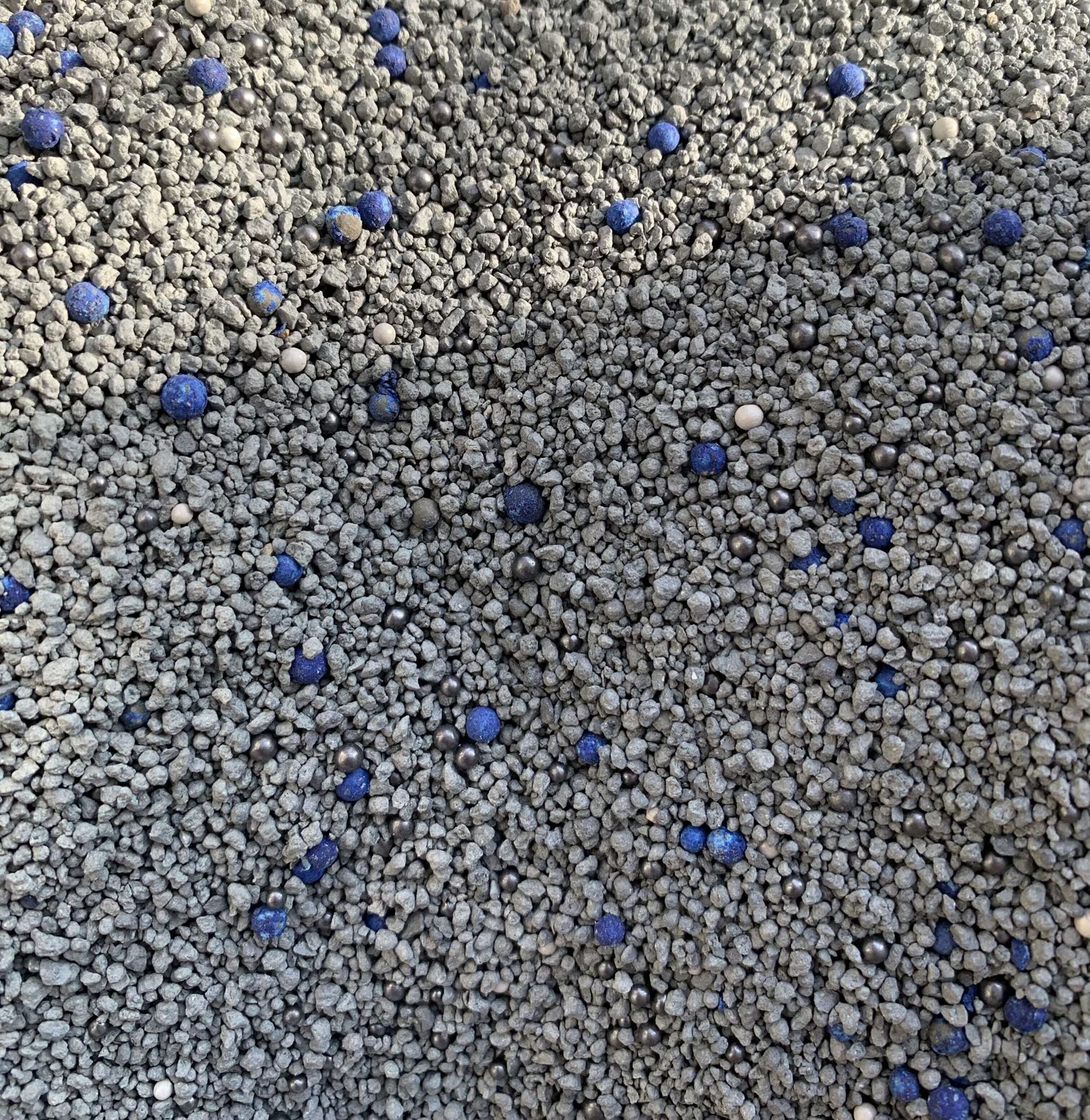
Blue Stone Premium Formula
A premium mixed-mineral direction for markets that expect low dust, strong clumping, odor control, and a clear product difference.
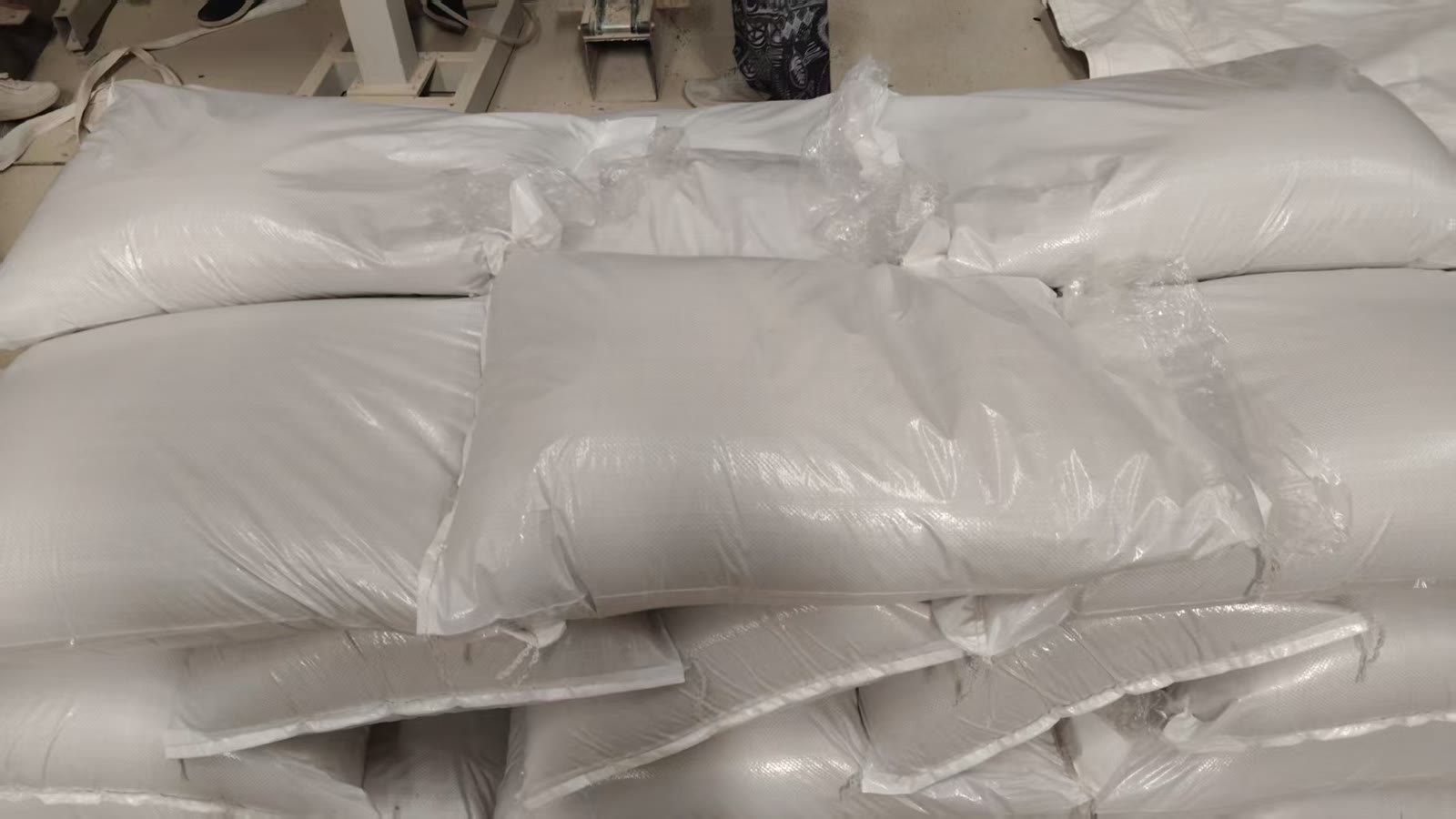
Bulk Bentonite Cat Litter
A bulk route focused on cost per kilo, 25kg woven bags, warehouse handling, and container planning.
Final recommendation
For many adult cats, start with a low-dust clumping bentonite formula, then adjust granule size, odor-control additives, scent, and packaging by market. For a household, cat acceptance is the first test. For a brand, importer, or distributor, repeatable production and sample approval are just as important as the first impression.
FAQ
What are the main types of cat litter?
The main types of cat litter include clumping bentonite clay, non-clumping clay, tofu or plant fiber litter, wood or paper pellets, silica crystal litter, corn, wheat, walnut, and mixed bentonite formulas with odor-control additives.
Which type of cat litter is best for most cats?
There is no single best type for every cat. For many adult cats, a low-dust clumping bentonite litter is a practical starting point because it is easy to scoop, controls wet spots quickly, and feels close to sand or soil.
Is clumping or non-clumping cat litter better?
Clumping litter is usually easier for daily scooping because wet spots form removable clumps. Non-clumping litter can work for pellet, paper, wood, or crystal systems, but it usually needs more frequent full-box changes.
What cat litter is best for kittens?
For kittens, choose a soft, low-dust, simple-scent litter and introduce it gradually. Very young kittens may need extra caution with any litter they might chew or swallow, so follow veterinary advice when unsure.
What type of cat litter helps with odor?
Odor control starts with absorption, firm clumping, moisture control, and regular scooping. Carbon, zeolite, and other odorless additives can support odor control, while fragrance is a separate market choice.
What cat litter should I avoid?
Avoid litter with heavy dust, weak clumps, strong perfume used to cover poor absorption, sharp granules that cats reject, unstable moisture, or unsupported health and antibacterial claims.
How should brands or importers test cat litter before ordering?
Test dust level, clump speed, clump hardness, bottom sticking, odor after storage, granule feel, additive distribution, bag weight, bag material, pallet plan, and container loading before confirming volume production.