
Short answer: cat allergy is usually caused by the immune system reacting to proteins from cat dander, saliva, or urine. Cat litter allergy is different. Around the litter box, discomfort is more often linked to dust, fragrance, damp residue, old box buildup, or a litter material that does not suit the cat or the person cleaning the tray.
A litter change can help when the trigger is dust, perfume, wet residue, or rough texture. It cannot cure a true allergy to cat proteins, and it should not replace veterinary or medical advice when breathing, skin, or litter box problems continue.
LINGSHUAI looks at this question from the litter side. A cleaner formula should reduce avoidable irritants: lower visible dust, stable granule size, controlled scent, firm clumps, and a dry tray after scooping. If symptoms continue, the next step is a health check, not simply another bag of litter.
Cat allergy vs cat litter allergy
These two problems are often mixed together. A person with cat allergy may react to proteins from the cat, not from the litter itself. The Mayo Clinic explains that pet allergens can come from dander, saliva, and urine, and those particles can spread through indoor air and surfaces.
Cat litter allergy is narrower. It points to irritation around the box: dust rising during pouring or digging, perfume in scented litter, damp residue left after weak clumps break, or old litter that has stayed too wet for too long.
| Question | More likely source | First practical check |
|---|---|---|
| Sneezing happens across the whole home. | Cat allergen, dust, pollen, or another indoor allergen. | Clean fabric surfaces, improve ventilation, and ask a medical professional if symptoms are strong. |
| Sneezing happens during pouring or scooping. | Litter dust or old box residue. | Try a low-dust litter and pour slowly close to the tray. |
| The cat coughs or blinks after digging. | Dust, fragrance, or a sensitive respiratory tract. | Switch to unscented low-dust litter and monitor the response. |
| The cat licks paws or avoids the tray. | Texture, fragrance, skin irritation, pain, or stress. | Check the litter change, tray cleanliness, and ask a veterinarian if it continues. |
Can cat allergy be resolved?
If the problem is a true cat allergy in a person, the practical goal is usually management: reducing exposure, cleaning fabric surfaces, improving air flow, and asking a medical professional about diagnosis and treatment. A lower-dust litter may make scooping easier, but it does not remove cat dander, saliva, or urine proteins from the home.
If the problem is litter-box irritation, the result can often improve faster. Remove heavy fragrance, lower the dust level, keep the tray dry through stronger clumping, and replace old damp litter before residue builds up. This is the area where litter formula and production control make a real difference.
Can cats be allergic to litter?
Yes, cats can be sensitive to litter. The reaction may not always be a true allergy; it can also be irritation from dust, perfume, dirty box conditions, or a material that feels harsh on paws. The result looks similar to a caregiver: sneezing, coughing, itchy skin, paw licking, or avoiding the tray.
Veterinary sources such as VCA Animal Hospitals describe cat allergies as reactions that can involve skin, breathing, and digestion. Because many conditions can look alike, a litter change is useful as a check, but it should not replace veterinary diagnosis when symptoms are repeated or severe.
Cat allergic to litter symptoms to watch
Watch the timing. Symptoms that appear during digging, after scooping, or soon after a new litter is introduced are more likely to be related to the box.
- Sneezing, coughing, or noisy breathing near the litter box.
- Watery eyes, blinking, or rubbing the face after digging.
- Itchy paws, paw licking, red skin, or small irritated areas.
- Shaking dust from the coat after leaving the tray.
- Sudden refusal to use a box that was accepted before.
- More complaints from people who scoop, pour, or clean the tray.
A sudden litter box problem can also come from pain, urinary trouble, stress, or tray location. The ASPCA notes that litter box issues can have more than one cause, so repeated avoidance should be checked carefully.
Why litter can trigger coughing, sneezing, or itchy skin
The most common litter-side triggers are dust and fragrance. Dust rises when litter is poured, when a cat digs, and when dry fragments break during scooping. Fragrance can cover odor for people, but some cats dislike strong perfume and some people react to it as well.
| Trigger | How it shows up | What usually helps |
|---|---|---|
| Fine dust | Clouds during pouring, dusty paws, sneezing near the tray. | Lower-dust formula, better screening, gentler pouring, regular box cleaning. |
| Strong fragrance | Cat avoids the box or a person reacts when opening the bag. | Unscented or light-scent formula, with odor control handled by clumping and additives. |
| Weak clumps | Wet fragments remain after scooping and odor returns quickly. | Faster absorption, firmer clump strength, enough litter depth. |
| Old wet litter | Damp smell, sticky tray bottom, more residue on paws. | Daily scooping and full changes before the box stays damp. |
| Texture discomfort | Fast exit from the box, paw shaking, box avoidance. | Compare granule size and paw feel before changing the whole routine. |
How to reduce litter-box irritation
Start with the steps that remove the strongest irritants first. Do not change everything on the same day unless the litter is clearly causing a serious reaction; a gradual change helps you see what actually improved.
- Move to unscented or low-scent litter. Fragrance is separate from odor control. A clean box should not depend on heavy perfume.
- Choose low-dust granules. Dust should be checked during pouring and scooping, not only by reading a claim on the bag.
- Keep enough litter depth. Shallow litter lets urine reach the tray bottom and leaves more wet residue.
- Scoop daily. Removing wet clumps quickly lowers damp residue and helps the box stay easier to tolerate.
- Wash the empty tray on full-change days. Old residue can keep irritating smell even when fresh litter is added.
- Separate medical allergy from litter-box irritation. If symptoms continue after lowering dust and fragrance exposure, bring the pattern to a veterinarian or doctor.
For the cleaning schedule behind this routine, see our guide on how often to change cat litter. If smell is the main concern, the article on cat litter odor control explains why moisture locking matters before fragrance.
What hypoallergenic cat litter should mean
Hypoallergenic cat litter should not be understood as a promise that no cat or person will react. A more useful meaning is practical: low visible dust, no heavy perfume, clean raw material handling, stable granules, and a formula that can be checked in a real tray.
For bentonite litter, clumping quality also matters. If clumps break apart, wet fragments stay in the box and create more residue. Stronger clumps help daily cleaning remove the wet area more completely.
- Use unscented or low-scent options when sensitivity is a concern.
- Check the dust when opening the bag, pouring, and scooping.
- Compare granule size for paw comfort and tracking.
- Ask for a sample before changing a large number of boxes or a retail line.
How LINGSHUAI checks low-dust bentonite litter
LINGSHUAI cannot diagnose allergies. What the factory can do is reduce avoidable litter-side irritants before a product leaves production. For low-dust bentonite cat litter, we check raw clay handling, granule size, screening, dust level, moisture control, and how the sample behaves when poured and scooped.
This is why a low-dust sample should be reviewed as a whole litter-box product, not only as loose granules in a bag. The formula, texture, scent direction, clump strength, and cleaning routine all affect the final use result.
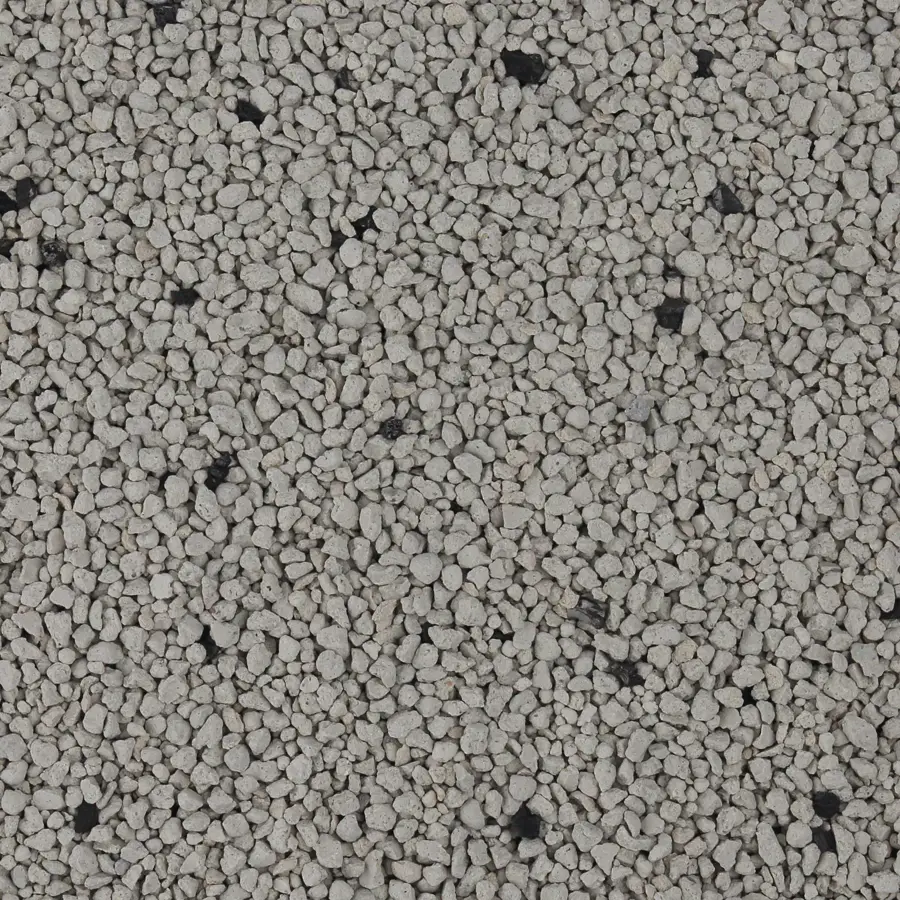
Dustless fine granule bentonite
Fine 0.5-1.44mm granules for softer paw feel, quick moisture contact, and low-dust positioning.
Dust-free bentonite route
A product route to compare when visible dust is the first problem around the tray.
Activated carbon odor control
Carbon can support odor control when a market wants less reliance on strong perfume.
Formula examples to compare
If cat litter allergy is suspected, the safest first comparison is usually not the most complicated formula. Start with a low-dust, unscented or light-scent sample and judge whether the tray becomes easier to use and clean. Then compare odor-control additives only if smell remains a real issue.
Our bentonite cat litter product center shows several formula routes. For sensitive-use discussion, focus on dust level, granule feel, scent direction, and clump strength before looking at packaging or brand design.
Send the granule size, scent direction, and box problem you want to solve. LINGSHUAI can help compare dust, clump strength, and odor-control direction from a real sample.
Ask for sample comparisonWhen to ask a vet or doctor
Do not treat every sneeze as a litter problem. If a cat has wheezing, breathing trouble, repeated coughing, skin sores, swelling, or sudden litter box avoidance, ask a veterinarian. If a person has chest tightness, wheezing, or repeated allergy symptoms, ask a medical professional.
A litter change can reduce dust and fragrance exposure, but it cannot diagnose asthma, infection, urinary pain, skin disease, or human allergy to cat proteins. The right result is a cleaner box plus the right health check when symptoms do not settle.
FAQ
How is cat allergy caused?
Human cat allergy is usually caused by an immune reaction to proteins from cat dander, saliva, or urine. These particles can stay in air, fabric, and indoor surfaces. Litter changes may reduce box dust or fragrance irritation, but they cannot remove every cat allergen.
Can cats be allergic to litter?
Yes. Some cats can react to litter dust, fragrance, residue, or a material in the litter. Sneezing, coughing, watery eyes, itchy skin, paw licking, or avoiding the litter box can all be warning signs, but a veterinarian should confirm the real cause.
What are common cat allergic to litter symptoms?
Common signs include sneezing near the box, coughing after digging, red or watery eyes, itchy paws, skin irritation, and sudden litter box avoidance. Breathing difficulty, wheezing, sores, or repeated symptoms should be checked by a veterinarian.
Can humans be allergic to cat litter?
People may react to litter dust, fragrance, or old box residue, but many human cat allergy symptoms are caused by cat allergens from dander, saliva, or urine. Changing litter can reduce box-related irritation, but it cannot remove every cat allergen in the home.
Can cat allergy be resolved completely?
Some people can manage symptoms well, but a true cat allergy may not disappear just because the litter is changed. Medical diagnosis, exposure control, cleaning habits, air filtration, and professional treatment may all be needed. The litter side can mainly reduce dust, scent, and wet-residue triggers around the box.
Is hypoallergenic cat litter always safe for sensitive cats?
No litter should be treated as suitable for every cat. A better meaning for hypoallergenic cat litter is low dust, unscented or low-scent, clean raw material, and a formula that can be checked by sample before regular use.
What cat litter should I try if allergies are suspected?
Start with an unscented, low-dust litter and change gradually if your cat is already using the box well. Fine granule bentonite can feel softer, while stronger clumping can help remove wet waste before odor and residue build up.
When should I call a vet or doctor?
Call a veterinarian if a cat has wheezing, breathing trouble, skin sores, repeated coughing, or litter box avoidance that does not improve. People with chest tightness, wheezing, or strong allergy symptoms should ask a medical professional rather than relying only on a litter change.