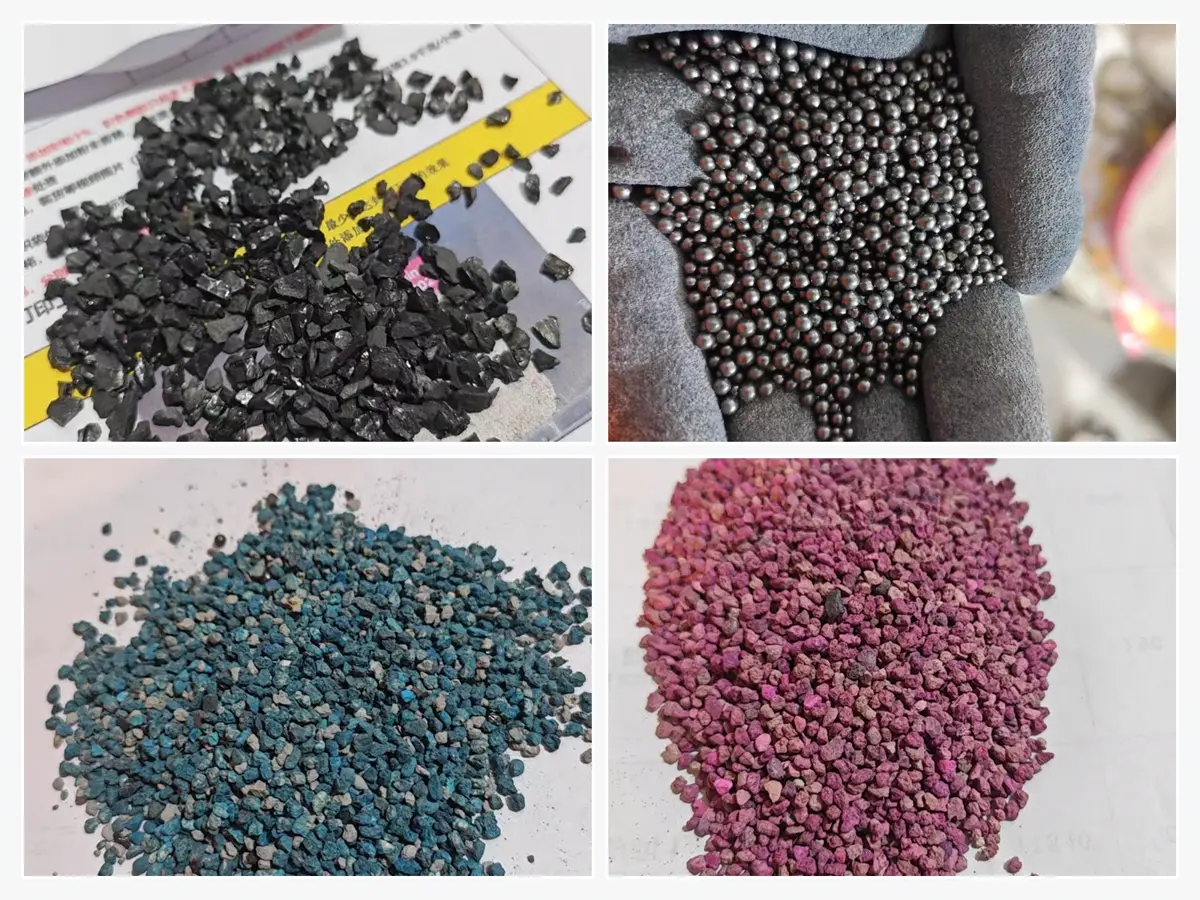
Quick answer: Cat litter odor control works best when urine is locked quickly, clumps stay firm, and dust stays low. Carbon, zeolite, or fragrance can support the formula, but they should not replace the base litter performance.
I am Mika, a silver shaded cat. My odor test is simple: one dig, one sniff, one decision. If the litter box already feels damp, dusty, or covered with perfume, I do not call it clean.
For cat litter odor control, I trust the litter that locks wetness before smell spreads. Firm clumps, low dust, and a dry tray feel come first. Activated carbon, carbon balls, crushed carbon, zeolite, and odorless mixed particles can help, but only when the bentonite base is strong enough.
So my answer is simple: choose the base litter first, then choose the odor-control direction. Fragrance is optional. It should make a clean box pleasant, not hide a box that has already failed.
Send the granule size, scent level, and additive direction you are considering. LINGSHUAI can help check whether the formula keeps the box dry, low-dust, and practical in real use.
Ask for a sample checkWhat Mika noticed
My litter box report is not complicated. If the clump falls apart too soon, if the dust lands on my paws, or if the smell feels louder after one visit, I do not trust the formula.
- If the tray still smells damp after scooping, the litter is not locking moisture fast enough.
- If my whiskers feel dust first, the formula is not clean enough for daily use.
- If the perfume is louder than the litter, the smell is being covered instead of controlled.
- If the clump breaks too easily, the smell stays in the box and comes back quickly.
Why this problem happens in the cat litter market
Many bags look fresh on the shelf but fail once urine hits the litter. The real problem is usually in the base formula: slow absorption, weak clumps, too much dust, uneven additive mix, or fragrance being used as a shortcut.
| What causes the smell | What Mika feels | What helps |
|---|---|---|
| Wet urine stays loose | Damp floor feel and ammonia smell | Faster absorption and stronger clumping |
| Clumps break when scooped | Dirty fragments remain in the box | Better bentonite base and clump-strength testing |
| Too much dust | Dust on paws, whiskers, and nearby floor | Screened low-dust granules and less transport breakage |
| Strong perfume | Fresh smell for people, possible box refusal for sensitive cats | Low-scent or unscented formula with carbon or zeolite support |
| Poor storage or sealing | Stale odor before the bag is finished | Dry storage, sealed bags, and sample aging checks |
Fragrance and odor control are not the same thing
Some markets like lavender, baby powder, lemon, coffee, apple, or green tea. Other markets prefer low-scent or unscented litter. But fragrance is still only one layer. If the litter stays wet, breaks apart, or throws dust, the smell will come back when the scent fades.
- Scented formulas can fit markets that expect a clear fresh-smell signal at first opening.
- Low-scent or unscented formulas are often easier for sensitive cats and premium positioning.
- Mixed additives such as carbon and zeolite are normally odorless, so they can be used in scented or unscented formulas.
Litter box routine still matters
Even a strong odor-control cat litter needs a clean tray routine. The ASPCA litter box guidance notes that litter box problems can be connected with box setup and cleaning habits, not only the litter itself.
Ohio State University's Indoor Pet Initiative litter box guidance also points to practical box needs such as access, setup, and comfort. For formula work, LINGSHUAI treats those habits as part of the real-use check: the litter should clump well, but the box also needs enough depth and regular scooping.
How LINGSHUAI looks at this problem
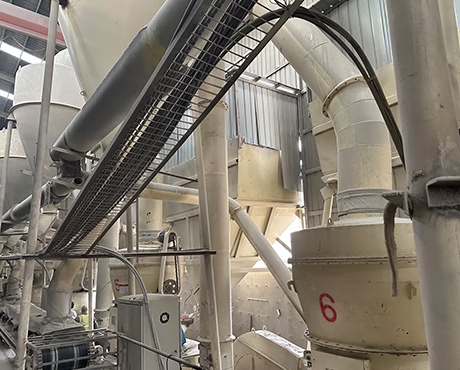
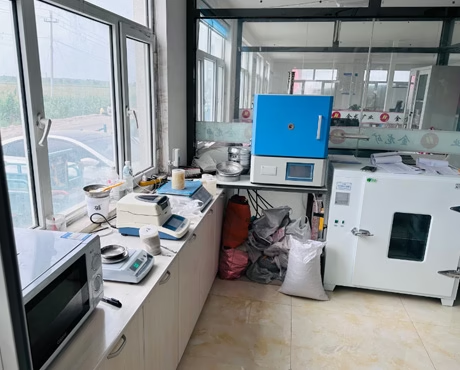
From the factory side, cat litter smell control is not one ingredient. It is a set of controls: granule size, bentonite quality, screening, dust removal, moisture balance, additive ratio, and sample stability. When these parts work together, odor stays under control without making the litter box harsh for daily use.
- Fast moisture locking keeps urine from spreading across the tray.
- Firm clumps help the smell leave with the scoop instead of staying behind.
- Low dust protects paws, whiskers, and the clean feeling around the box.
- Even additive distribution keeps the formula look and odor performance consistent.
- Sample aging checks whether the bag still feels stable after storage.
Activated carbon granules
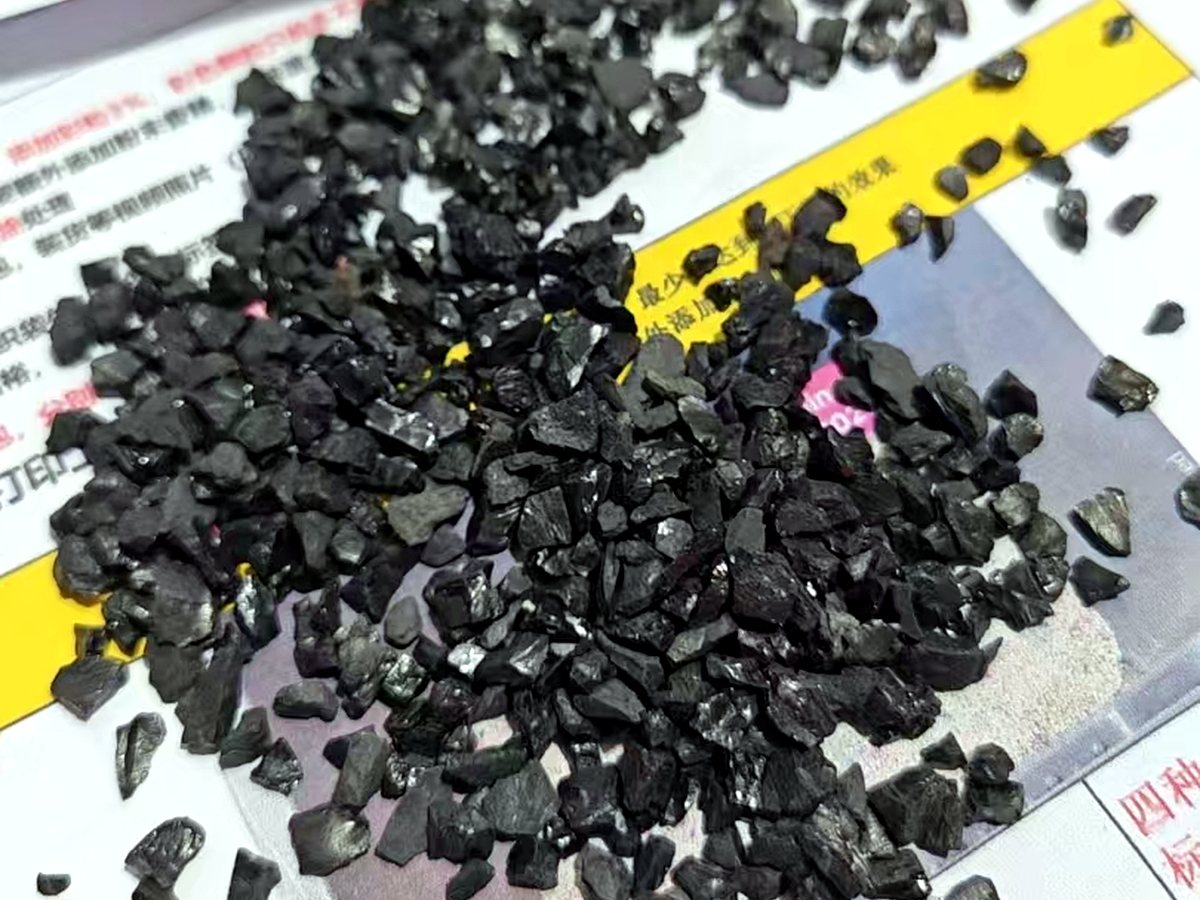
Activated carbon granules are a common bentonite deodorizing choice. The black particles give a clear visual cue and support ammonia-style smell control when the base litter already clumps well.
- Best fit: standard odor-control bentonite formulas that need a clear carbon signal.
- Factory note: the base litter must still absorb fast and clump firmly.
- Watch out for: exact deodorizing percentage claims without matching test data.
Carbon balls and carbon crystal balls
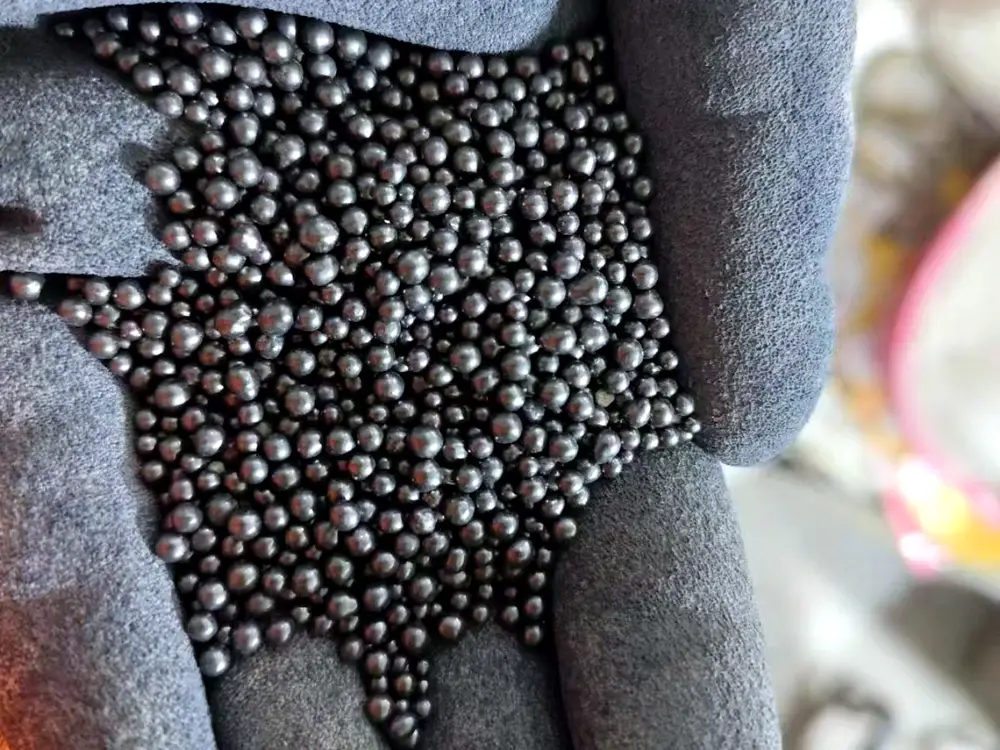
Round carbon particles create a cleaner and more premium look. They are often chosen when the formula needs a tidy visual story in close-up product photos and still needs an odor-control direction.
- Best fit: premium clumping formulas that want a neat dark additive look.
- Factory note: the round particle style should still be evenly mixed through the batch.
- Watch out for: confusing this direction with silica crystal cat litter.
Crushed carbon
Crushed carbon gives a more natural charcoal look and can support cost-conscious odor-control formulas. The look is less uniform than carbon balls, but it still gives a clear charcoal direction.
- Best fit: economy or standard carbon-mixed bentonite formulas.
- Factory note: dust control still depends on the full formula and handling.
- Watch out for: calling the product dust-free just because carbon is added.
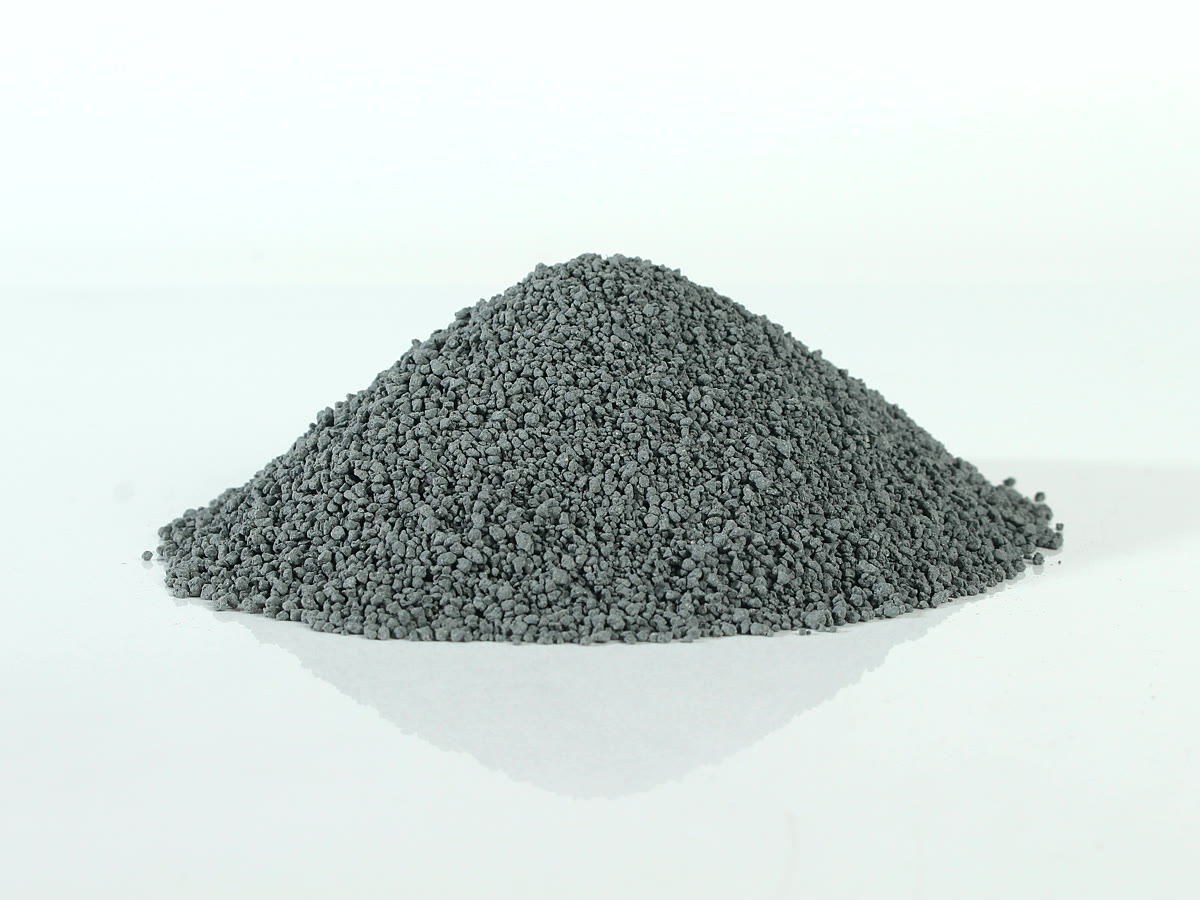
Zeolite granules
Zeolite gives a mineral-looking formula direction and can be used when the product needs a different visual balance from carbon-only mixes. It works well when the formula should feel more natural than scented.
- Best fit: mineral deodorizing concepts and visible formula differentiation.
- Factory note: the particle distribution should stay even across several bags.
- Watch out for: medical or antibacterial wording without formula-specific proof.
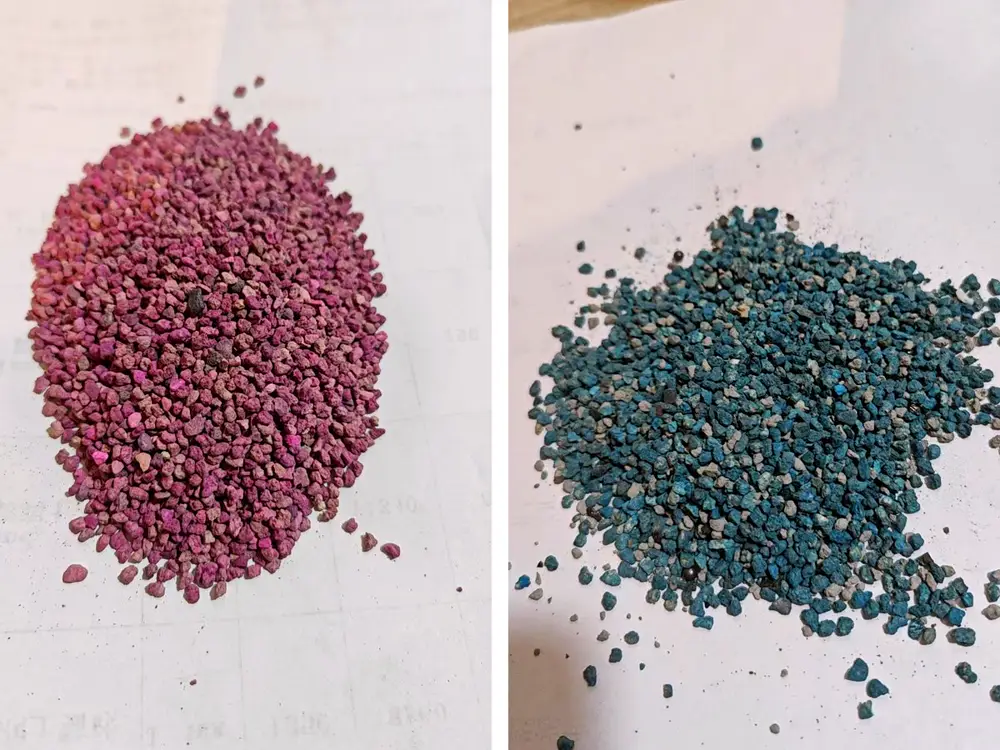
Odorless mixed particles
Some mixed particles are there for formula difference rather than fragrance. They can help a product look distinct while the scent decision remains separate.
- Best fit: formulas that need a visible additive difference without relying on perfume.
- Factory note: the mixed particles should match the overall particle size and batch balance.
- Watch out for: treating colored particles as fragrance; fragrance is a separate choice.
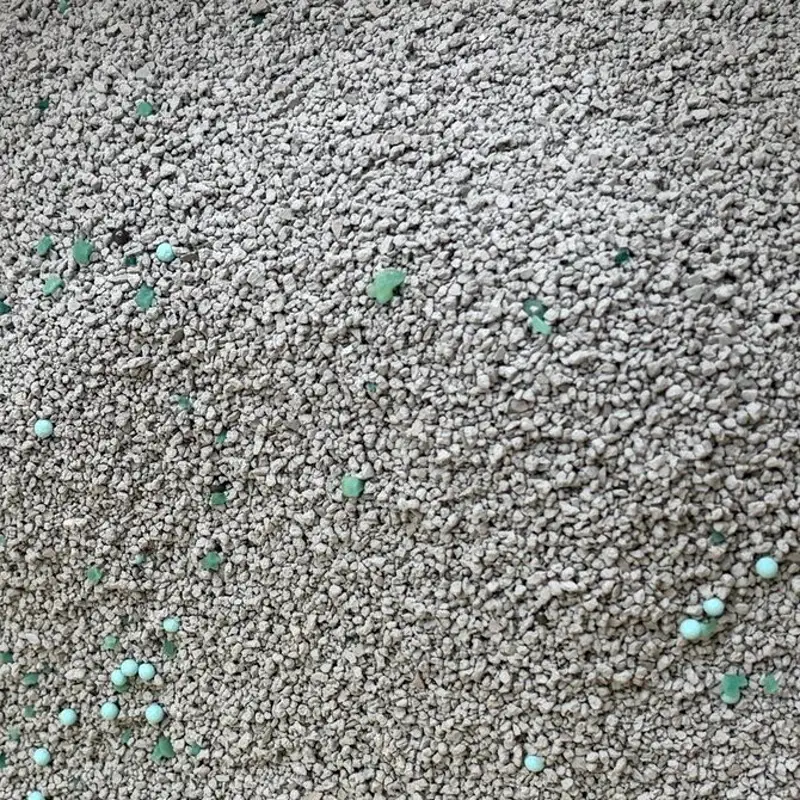
What poor odor-control litter looks like in real use
A cat does not read bag claims. It steps in, digs, sniffs, and decides whether the box feels clean enough to trust. Poor odor-control litter usually shows its problems in clumps, dust, and leftover dampness.
| Quality problem | Use impact | Sample check |
|---|---|---|
| Slow clumping | Urine spreads, bottom sticking increases, odor stays longer | Pour water in the same spot and time clump formation |
| Weak clumps | Fragments remain after scooping and make the box smell old | Scoop after set time and check breakage |
| High dust | Dust carries stale odor and makes the box feel dirty | Pour, scoop, and shake the sample after transport |
| Uneven additive mix | Odor-control effect and product appearance vary bag by bag | Open several bags and compare particle distribution |
| Over-strong scent | People smell perfume first, but some cats may avoid the box | Test fragrance level separately from additive ratio |
What to check before choosing an odor-control formula
Test the sample as a full product, not as one ingredient. A formula that controls smell but turns dusty or breaks apart too easily will still disappoint in daily use.
- Check how fast the litter locks urine.
- Check whether the clump stays together after scooping.
- Check dust during pouring, digging, and transport.
- Check whether the additive is spread evenly across several bags.
- Check whether the scent level matches the market instead of overpowering the box.
- Check sealed-bag storage and how the product behaves after a short aging test.
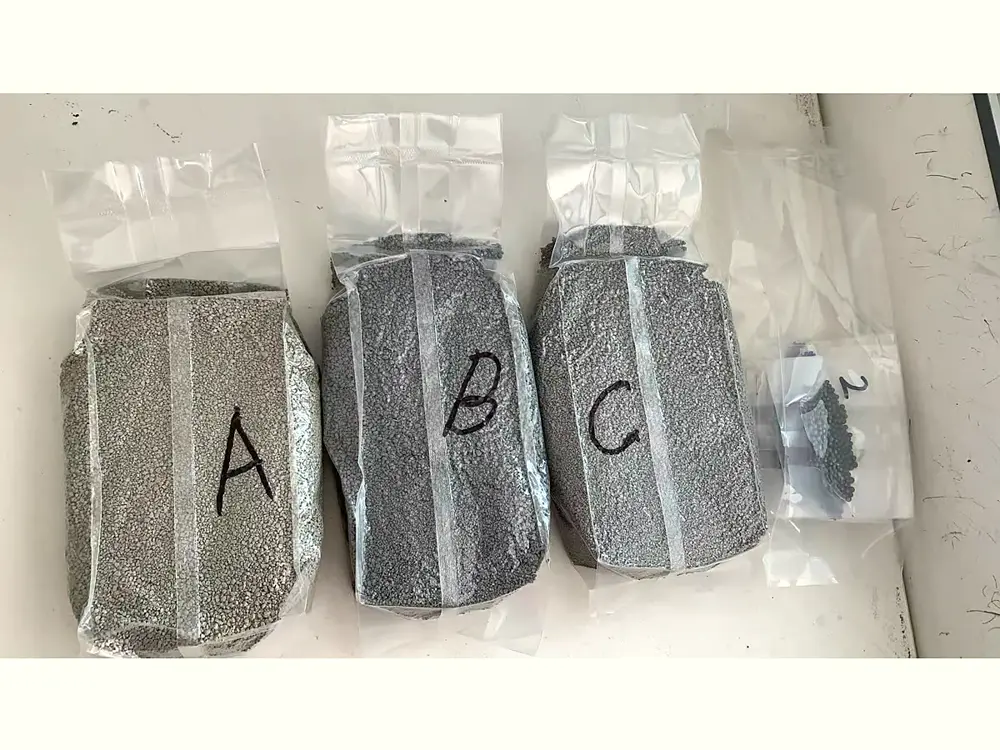
LINGSHUAI can prepare sample directions around clumping strength, dust level, additive appearance, and scent level.
Send formula requirementsMixed bentonite formula examples
These product examples show different bentonite formula directions when the end market needs a visible additive difference in odor control, color, or particle style.
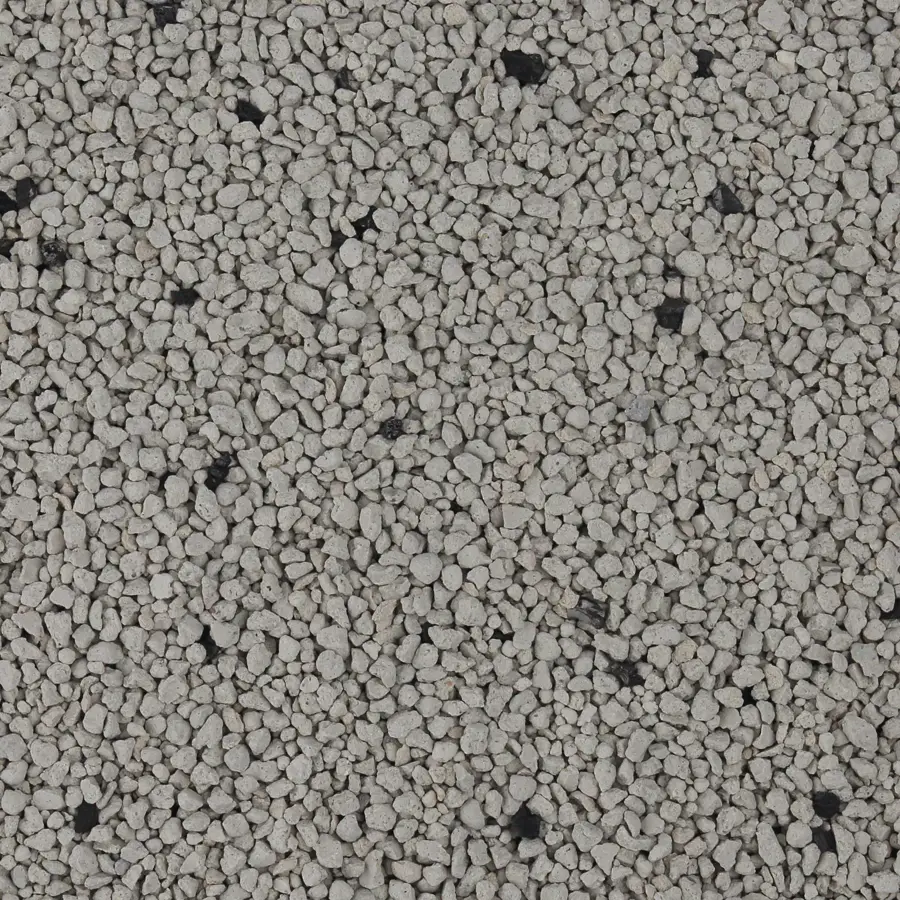
Activated Carbon Cat Litter
A bentonite formula direction that uses a clear carbon additive for odor control.
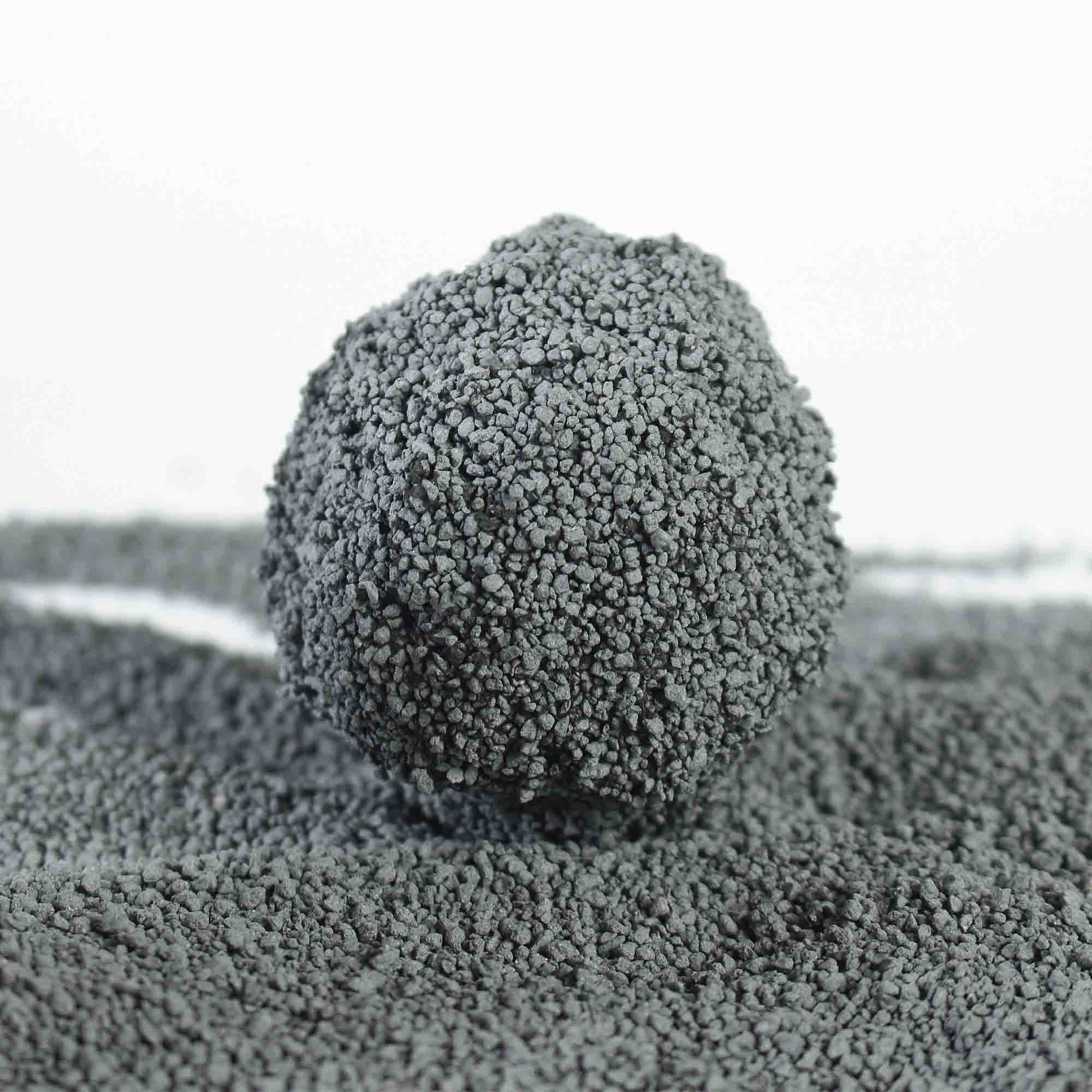
Crushed Carbon Bentonite Cat Litter
A cost-conscious charcoal bentonite formula with visible crushed carbon particles.
Green Shield Zeolite Bentonite Cat Litter
A mineral-mixed bentonite formula for visible product differentiation.
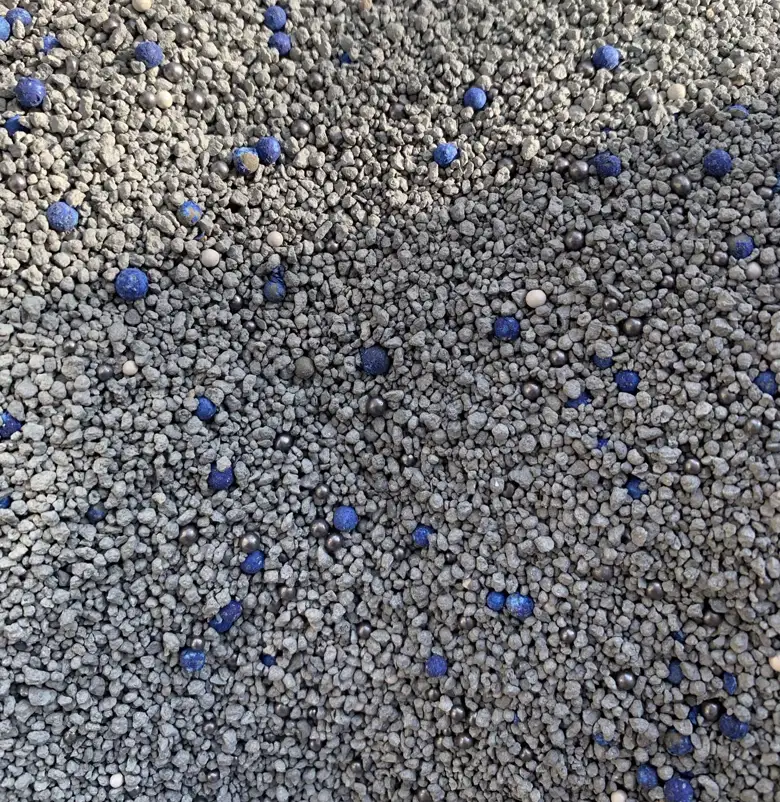
Blue Stone Premium Clumping Litter
A premium formula direction with SAP, silver-ion particles, and carbon crystal balls.
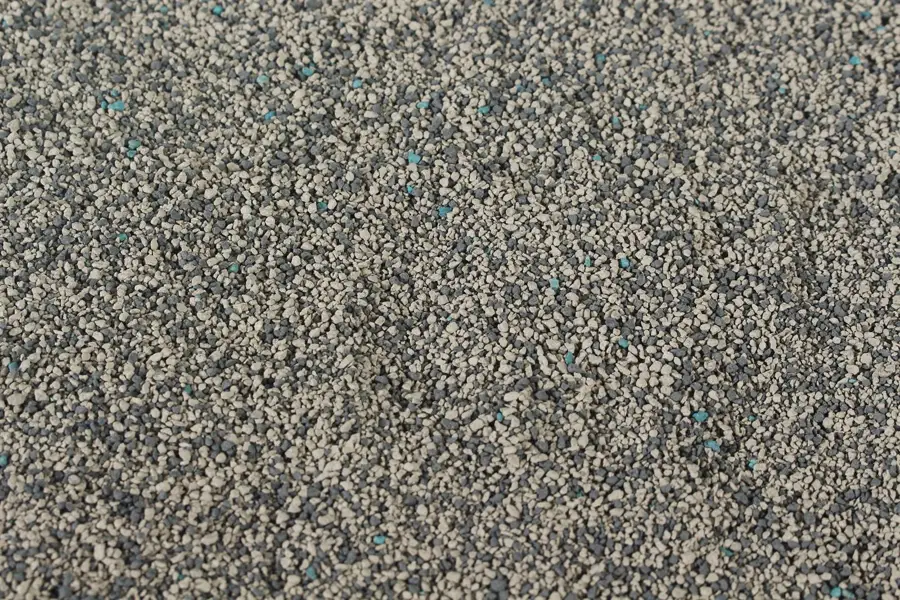
Cat Zhengzheng Odor Buster Bentonite
A mixed mineral and carbon formula for visible product differences.
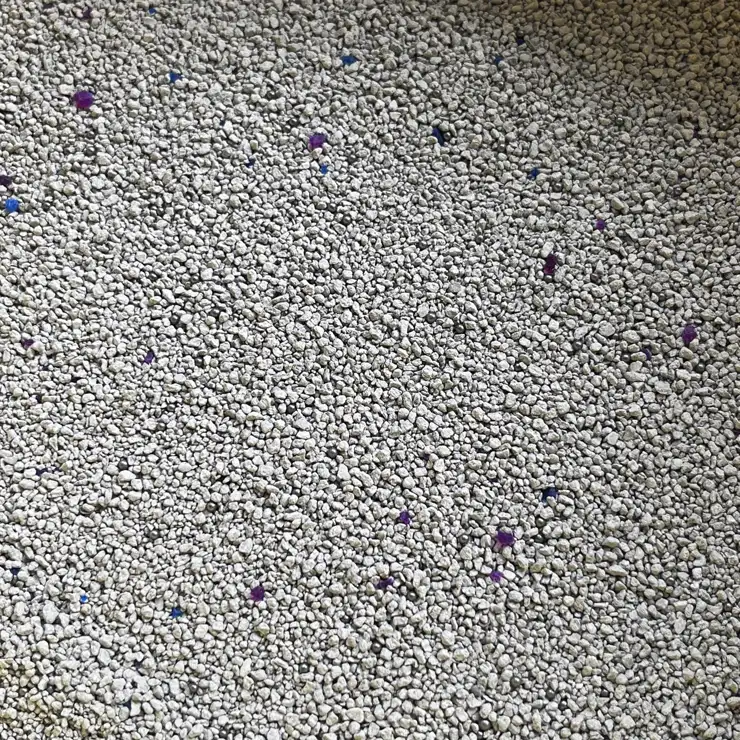
Little Blue Mineral Bentonite Cat Litter
A mineral and carbon-ball formula direction for differentiated retail positioning.
Formula comparison for odor control
| Deodorizing choice | Best use | What to avoid |
|---|---|---|
| Activated carbon granules | Standard odor-control bentonite formulas and sample comparison | Exact deodorizing percentage claims without matching test data |
| Crushed carbon | Cost-conscious carbon-mixed bentonite litter | Calling it dust-free by itself, because dust depends on the full formula |
| Carbon balls or carbon crystal balls | Premium visual formulas that need a clean dark additive signal | Confusing it with silica crystal cat litter |
| Zeolite granules | Mineral odor-control positioning and visible formula differentiation | Medical or antibacterial claims without formula-specific proof |
| Colored odorless mixed particles | Visible formula differentiation for terminal-market product positioning | Treating colored particles as fragrance; fragrance is a separate formula choice |
| Unscented or low-scent bentonite | Sensitive-cat, premium, or low-fragrance market positioning | Using no additive while the base clumping and moisture control are weak |

Related bentonite pages
- Bentonite Cat Litter
- Activated Carbon Cat Litter
- Green Shield Zeolite Bentonite Cat Litter
- Crushed Carbon Bentonite Cat Litter
- Dustless Fine Granule Bentonite Cat Litter
FAQ
What is cat litter odor control?
Cat litter odor control is the ability of a formula to lock moisture quickly, hold a firm clump, and keep smell from returning too soon. Carbon, zeolite, or other odor directions can help, but the base litter still has to work first.
Why does cat litter smell like ammonia?
Ammonia smell usually comes from wet urine staying in the box, weak clumps breaking, poor ventilation, or too little litter depth. A stronger bentonite base and daily cleaning usually matter more than perfume.
Is scented cat litter better than unscented cat litter?
Not always. Scented litter can feel fresher at first, but some cats and homes prefer low-scent or unscented formulas. Fragrance is a separate choice from odor control and should not hide a weak base litter.
What additive helps bentonite cat litter control smell?
Activated carbon granules, crushed carbon, carbon balls, carbon crystal balls, and zeolite granules are common bentonite odor-control directions. The best choice depends on the formula look, price level, and sample results.
How should a formula be tested before choosing it?
Test the sample as a full product. Check how fast it clumps, how hard the clump stays, how much dust comes out, whether the additive is even, whether the smell stays controlled, and whether the bag stores well before the final choice is made.