Short answer: a good odor lock cat litter formula locks wet spots first, then supports odor control with carbon, zeolite, or another odorless additive if the market needs it. Fragrance can be added for a scented retail SKU, but scent is not the same as odor lock. That is the practical difference between real cat litter smell control and a bag that only smells strong before use.
If I am the cat using the box, my test is not complicated: step in, sniff, dig, leave. If the litter smells like wet tray plus perfume, I notice. If the clump stays clean and the box does not bite my nose, the human gets one small approval from management.
Where this article fits
The site already has a broader cat litter odor control guide. This page is narrower. It focuses on how an odor-lock formula should be judged before a brand, importer, or distributor chooses a bentonite cat litter line.
| Page | Main role | Best internal use |
|---|---|---|
| Cat litter odor control guide | Broad smell-control article covering home use, additives, fragrance, and cleaning routine | Main hub for odor questions |
| This odor lock article | Explains formula layers, sample tests, and what claims should be checked | Support page for odor-lock search intent |
| Activated carbon cat litter | Product page for carbon-mixed bentonite formulas | Commercial product path |
1. Odor starts with wet litter, not with the bag smell
Litter box odor usually grows when urine stays wet, clumps break during scooping, the tray bottom holds residue, or the box has poor airflow. A strong scent may make a fresh bag feel more marketable, but it cannot replace absorption, clump strength, and cleaning routine. Good cat litter box odor control begins with dry, removable waste instead of damp fragments left behind.
For a factory formula, the first question is simple: does the base bentonite lock liquid fast enough to keep the wet spot small and scoopable? If not, the additive is being asked to rescue a weak base. That is not a stable product strategy.
2. The first layer is moisture lock and clump strength
Odor lock begins when the wet area forms a clean clump before urine spreads. The clump should hold its shape when lifted, leave little loose wet litter behind, and reduce bottom sticking. This is why odor-lock claims should be checked together with clumping tests, not as a separate marketing line.
3. The second layer is an odor-control additive
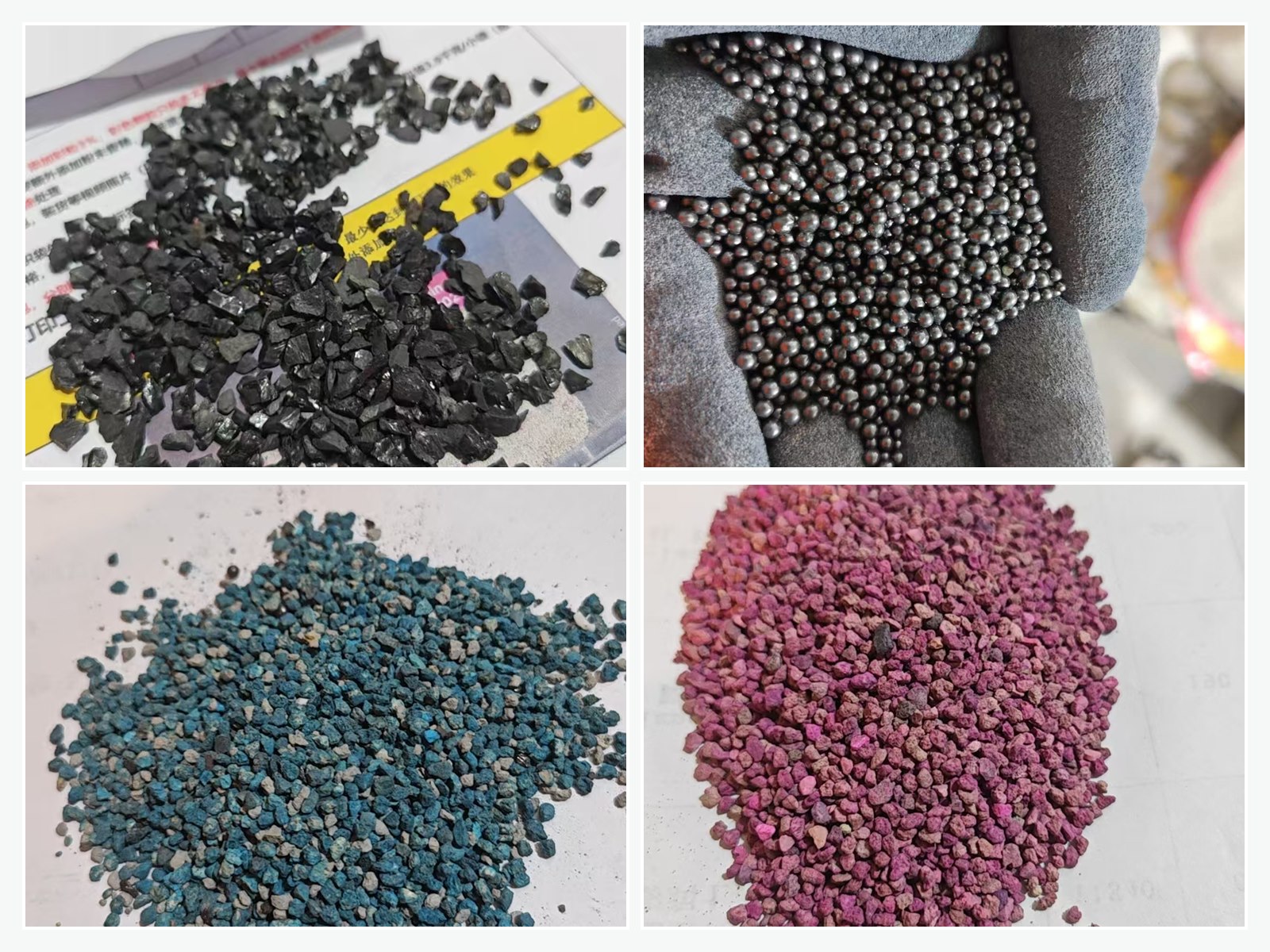
After the base litter passes the clumping test, the formula can be adjusted with odorless additives. Activated carbon, crushed carbon, carbon balls, carbon crystal balls, and zeolite are common choices in bentonite cat litter. They create different product looks and different cost levels.
| Additive direction | How it is used | What to check |
|---|---|---|
| Activated carbon granules | Clear black visual signal for odor-control bentonite formulas | Distribution, dust, and whether the claim matches sample results |
| Crushed carbon | Cost-conscious charcoal direction for standard or wholesale lines | Particle breakage and how dark particles look in packaging photos |
| Carbon balls or crystal balls | Premium visual additive for retail products that need a cleaner close-up look | Even mixing, formula cost, and naming accuracy |
| Zeolite granules | Mineral odor-control positioning and visible formula difference | Color consistency, dosage, and claim support |
| Colored odorless particles | Product differentiation when the line needs a visible feature | Do not describe them as fragrance unless scent is actually added |
4. Fragrance is optional and separate
Scented litter can work for channels that expect lavender, baby powder, lemon, coffee, green tea, apple, or other fragrance choices. But fragrance does not equal odor lock. It is a retail preference and a cost item, while odor-control additives are usually odorless formula components.
For sensitive-cat or premium positioning, an unscented or low-scent formula often feels safer to the buyer. For scented retail SKUs, the scent should sit on top of a strong base litter rather than covering weak absorption.
5. What weak odor-lock claims look like
The old internet has a habit of promising too much. A factory page should be calmer. It should show what can be checked, not ask buyers to believe a perfect claim. Phrases like no smell cat litter or cat litter odor absorber need supporting sample results, because the box routine and the base formula still matter.
| Claim problem | Why it is risky | Better wording |
|---|---|---|
| Specific odor-removal percentages without a matching report | Hard to defend if the formula, test method, or batch changes | Use the number only when the related test report is available |
| "No smell forever" | Litter box odor also depends on cleaning, litter depth, airflow, and cat use | Explain moisture control, clumping, and sample testing |
| Strong perfume presented as odor control | Cats and markets may reject heavy scent | Separate fragrance choice from odor-control additive choice |
| Medical or antibacterial wording without formula proof | Creates compliance and trust risk | Keep claims tied to the actual report and exact formula |
| Ignoring dust and bottom sticking | Wet residue and dust can carry stale smell | Test dust, clump breakage, and tray cleanup together |
6. How to test odor lock cat litter before ordering
For importers, distributors, and private-label brands, the sample test should be practical. Do not only smell the fresh bag. Use the same litter depth, the same water amount, and the same standing time when comparing formulas.
- Check clump formation speed and whether the clump breaks when scooped.
- Check bottom sticking after the clump is removed.
- Pour and scoop the sample to judge dust in a realistic way.
- Compare odor after the wet clump has stood for a fixed time.
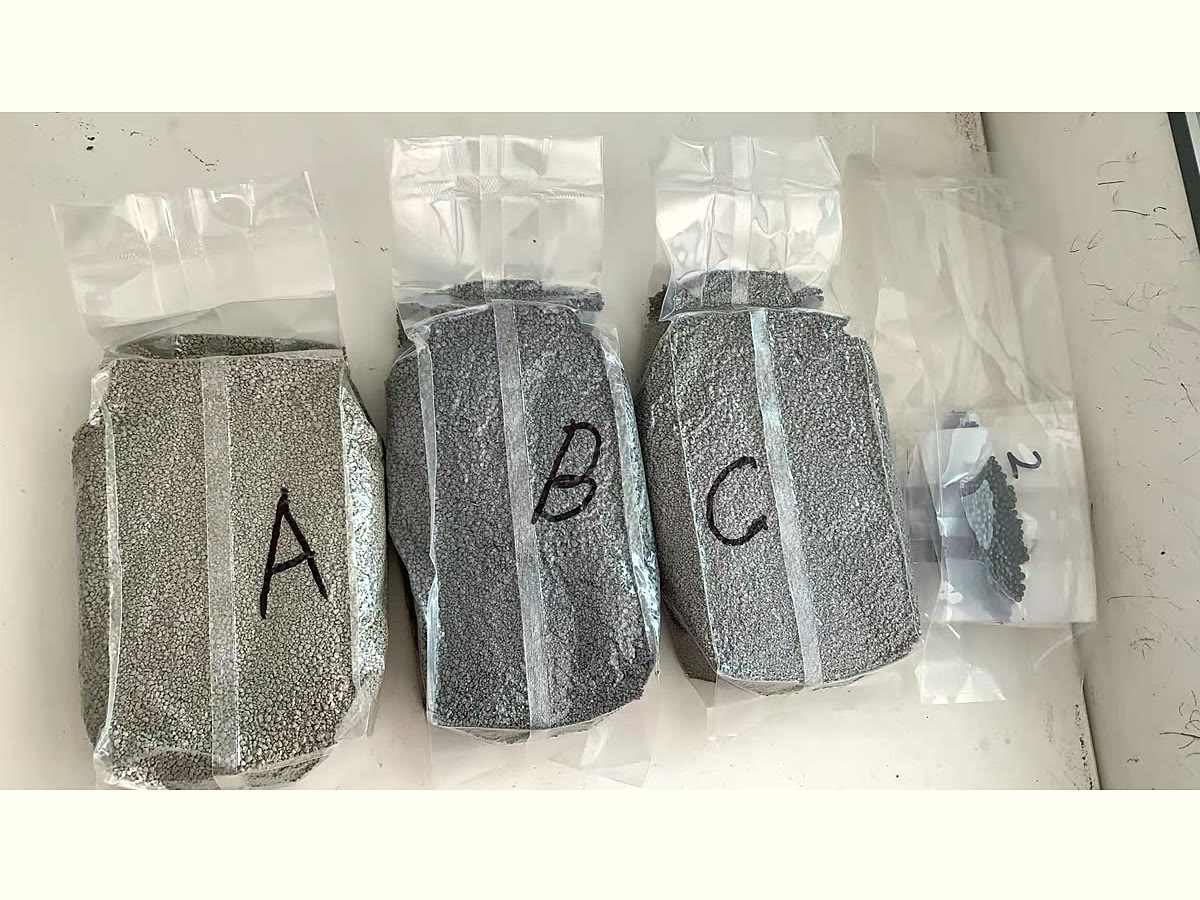
- Open more than one sample bag to compare additive distribution.
- Confirm whether the final line will be unscented, low-scent, or scented.
- Keep packaging, sealing, pallet plan, and storage conditions in the same discussion.
Formula examples for odor-lock positioning
These product pages show different ways to build an odor-control bentonite formula without turning every product into the same "strong fragrance" story.
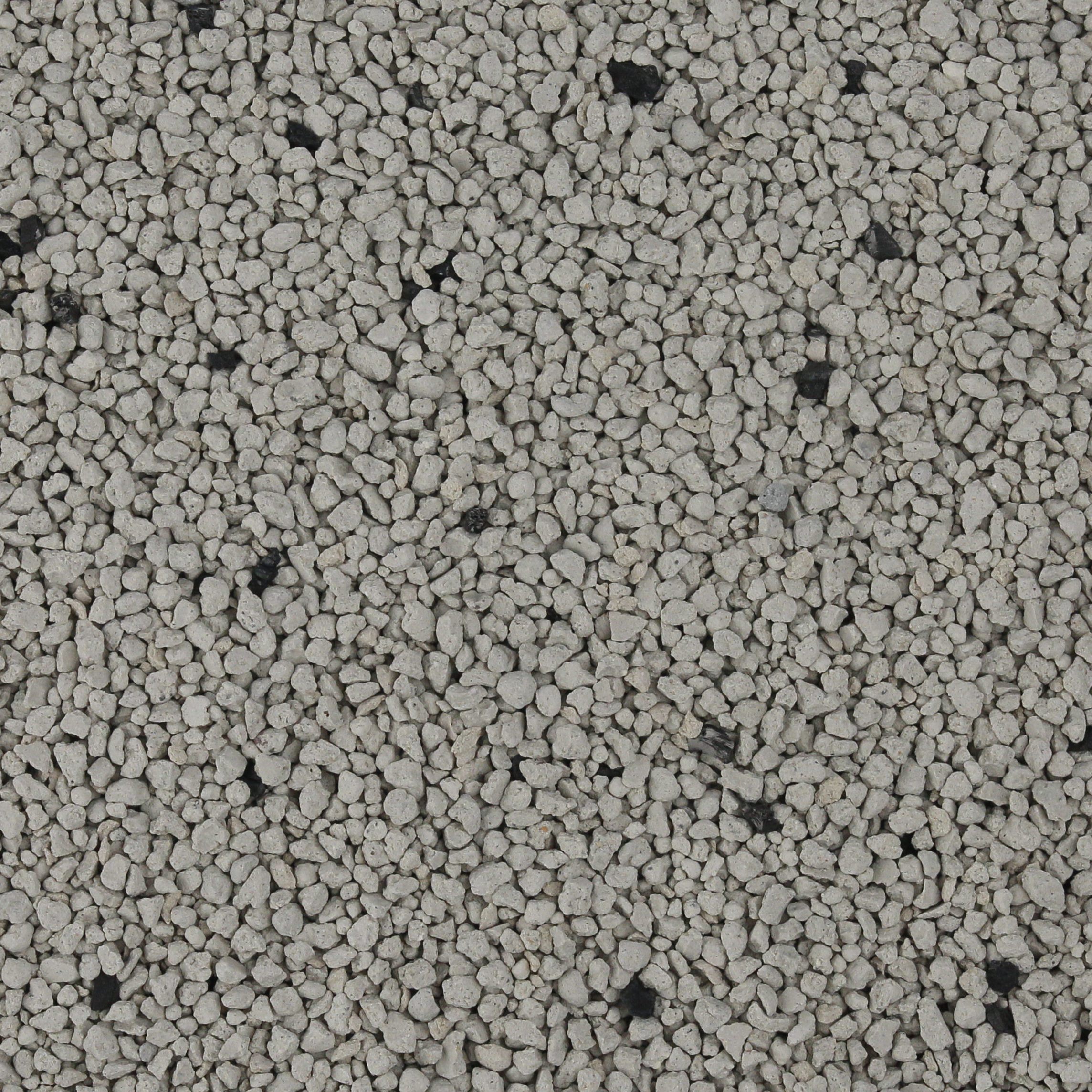
Activated Carbon Cat Litter
A carbon-mixed bentonite direction for visible odor-control positioning.
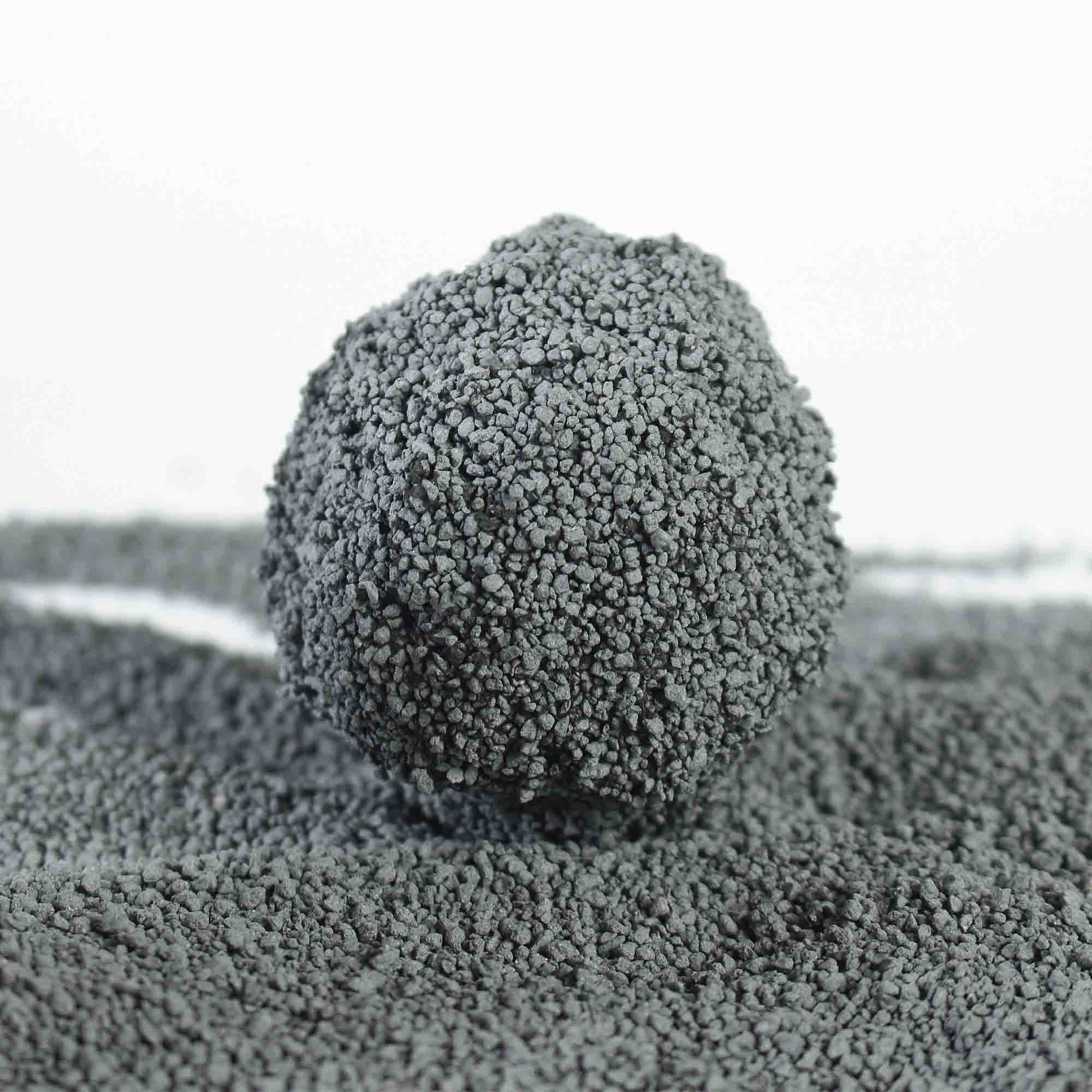
Crushed Carbon Bentonite
A cost-conscious charcoal direction for standard odor-control product lines.
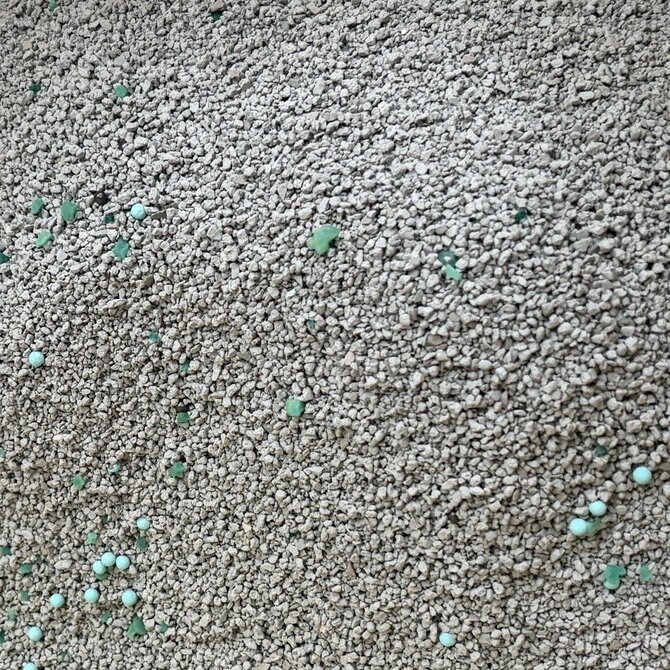
Green Shield Zeolite
A mineral-mixed bentonite formula with visible product differentiation.
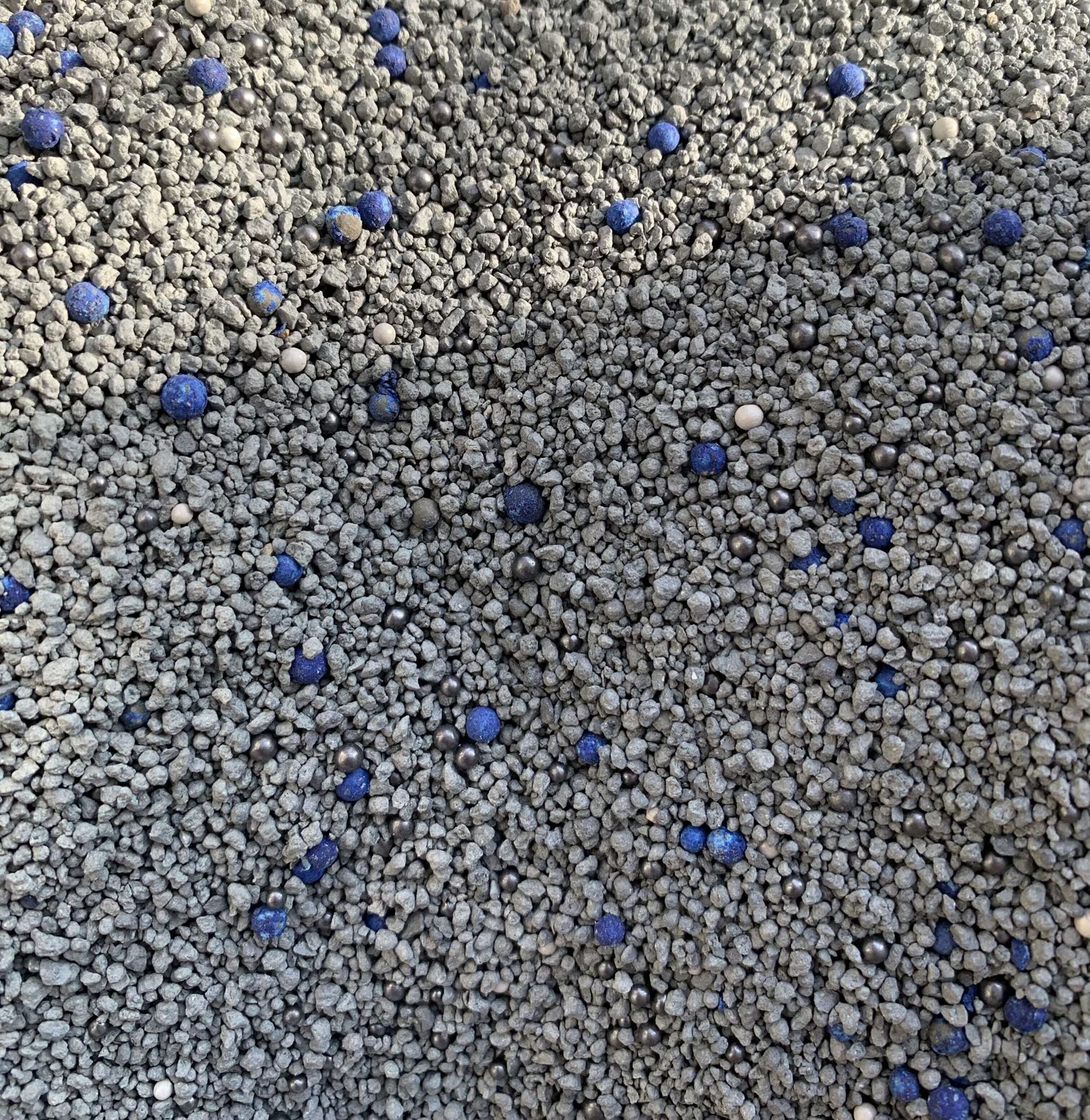
Blue Stone Premium
A premium mixed-mineral direction for high-end retail positioning.
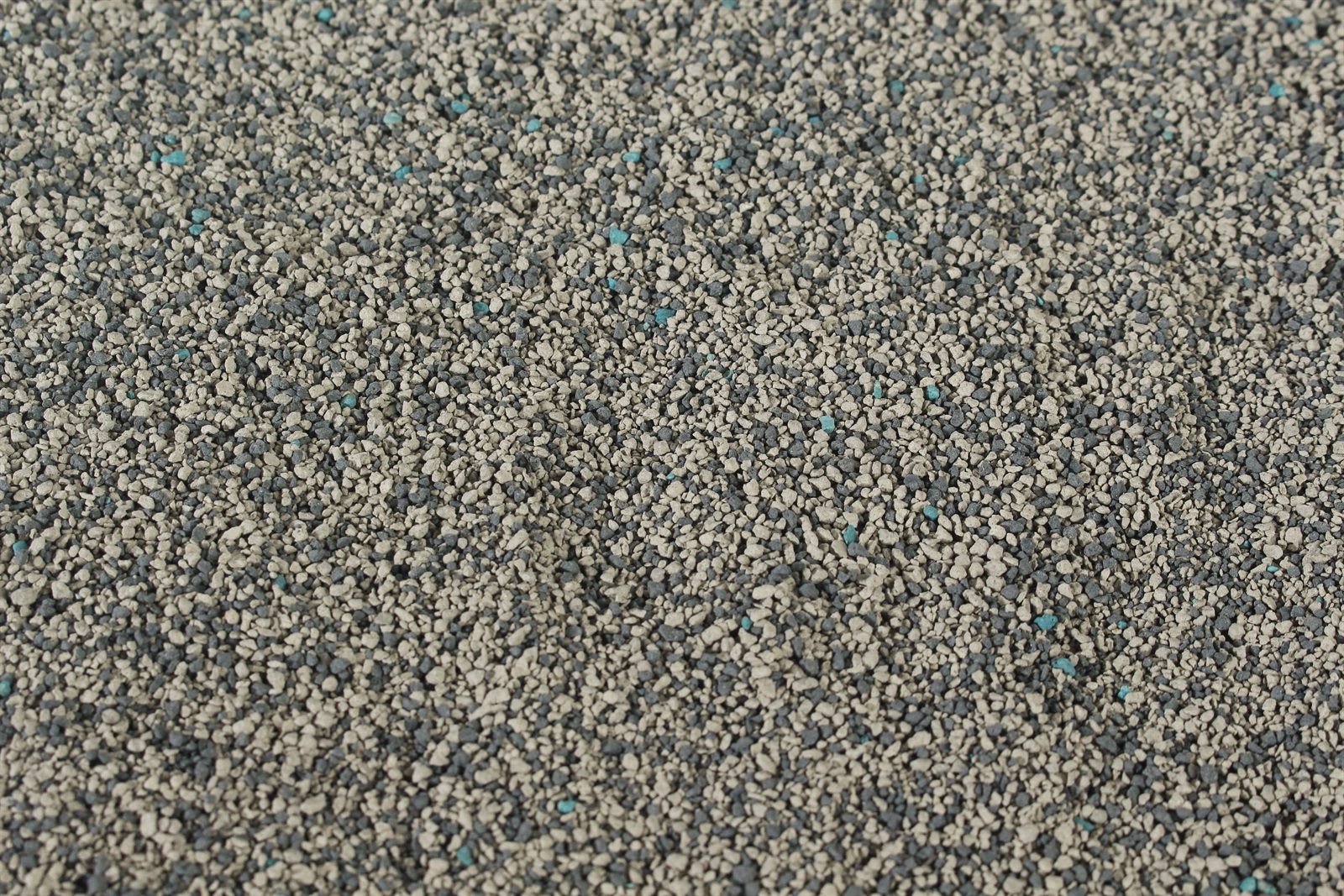
Cat Zhengzheng Odor Buster
A carbon and zeolite formula direction with a clear mixed-particle look.
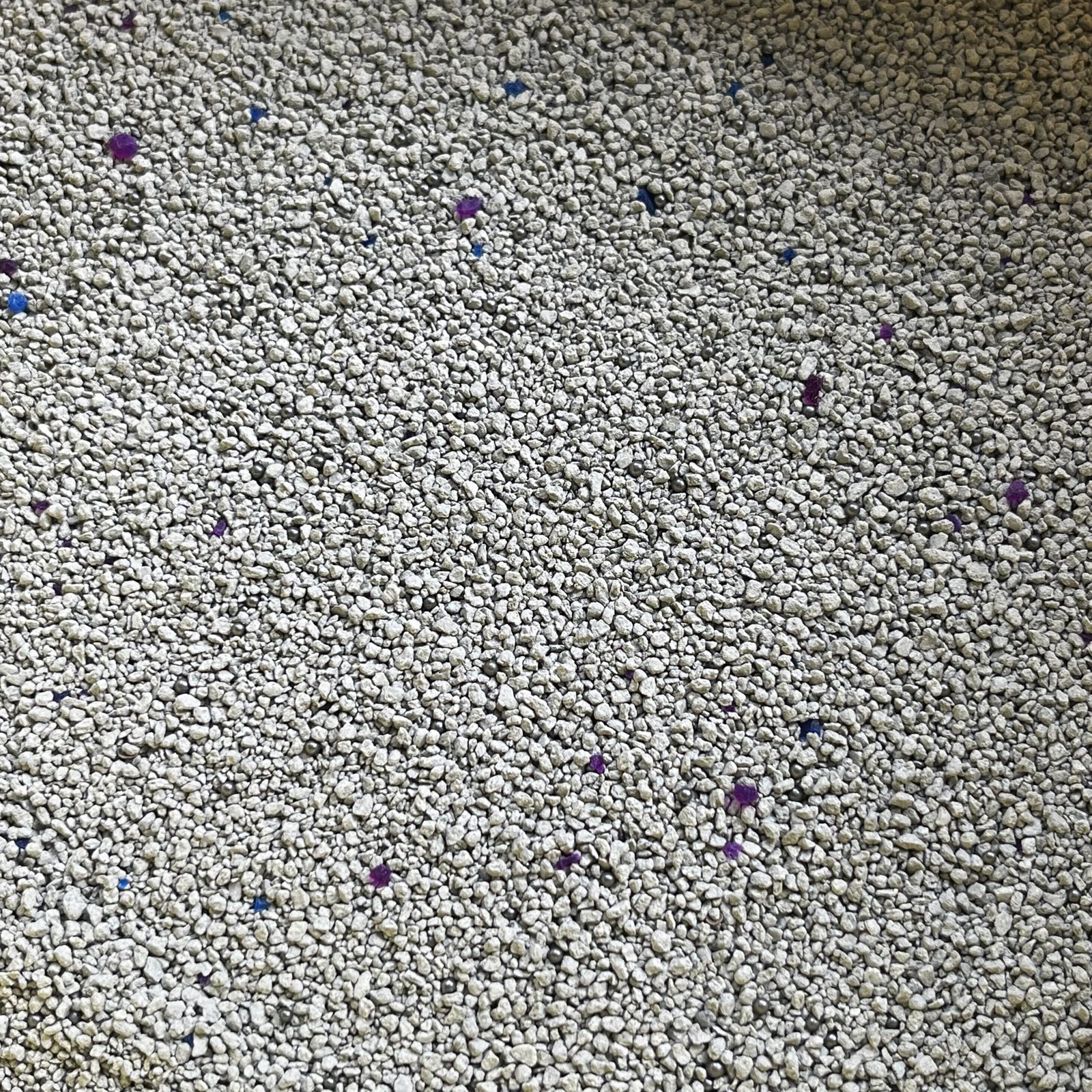
Little Blue Mineral
A mineral and carbon-ball formula direction for visible retail difference.
FAQ
What does odor lock cat litter mean?
It should mean the formula controls moisture quickly, forms firm clumps, limits wet residue, and uses odor-control additives when needed. It should not rely only on perfume.
Is odor lock cat litter the same as scented cat litter?
No. Scent is optional. Unscented bentonite can still be built for odor control through absorption, clumping, carbon, zeolite, and regular cleaning.
Is OdorLock a brand or a formula feature?
OdorLock is used as a brand name in some markets. Here, odor lock cat litter is treated as search language for formulas that aim to lock moisture and reduce box odor. Private-label naming should avoid brand confusion.
What additives help bentonite cat litter lock odor?
Activated carbon, crushed carbon, carbon balls, carbon crystal balls, and zeolite are common odorless additive directions. The right choice depends on target price, product appearance, and sample results.
How should a buyer test odor lock cat litter before ordering?
Use fixed sample conditions to check clumping, dust, bottom sticking, odor after standing time, additive distribution, scent strength, bag sealing, and storage stability.
How to control cat litter odor without heavy perfume?
Start with a low-dust clumping base, keep enough litter depth, scoop wet clumps before they break, and choose an odorless additive such as carbon or zeolite when the market needs stronger odor support.
Why does cat litter still smell after scooping?
Odor can remain when clumps break, wet particles stay in the tray, litter depth is too shallow, dust holds stale smell, or the formula uses scent to cover weak absorption.